

A swimming pool is meant to be a source of relaxation and enjoyment, but when problems arise, it can quickly turn into a maintenance headache. Cloudy water, weak circulation, algae growth, and rising chemical costs are all common pool issues—and surprisingly, many of them trace back to one root cause: neglected or improperly maintained pool filters.
Regular cleaning pool filters is one of the most effective ways to keep your pool healthy and functioning efficiently. Whether you use a sand, cartridge, or DE swimming pool filter, proper maintenance ensures clean water, better circulation, and fewer long-term repairs. In this blog, we’ll explore 9 common pool problems that can be solved faster by maintaining your swimming pool filter system correctly.
Why Cleaning Pool Filters Matters
Your pool filter is the heart of your pool’s circulation system. As water passes through the swimming pool filter system, dirt, debris, oils, and contaminants are trapped. Over time, these impurities clog the filter, reducing efficiency and putting strain on your pump.
Using the right pool filter cleaner and following proper maintenance routines can dramatically improve pool performance while extending the life of your equipment.
1. Cloudy Pool Water
One of the most common complaints from pool owners is cloudy or dull-looking water. This often occurs when the filter is clogged and unable to trap fine particles effectively.
Regular cleaning pool filter routines remove built-up debris, allowing water to circulate properly and regain its clarity. When the filter is clean, it captures microscopic contaminants that chemicals alone can’t remove.
2. Weak Water Circulation
Poor circulation is another major issue caused by dirty filters. When the filter is clogged, water flow is restricted, reducing the effectiveness of the entire system.
Signs of weak circulation include:
- Low return jet pressure
- Dead spots in the pool
- Debris collecting on the pool floor
Learning how to clean a pool filter correctly restores water flow and reduces strain on the pump and motor.
3. Increased Energy Costs
A dirty swimming pool filter forces your pool pump to work harder to push water through the system. This extra workload increases energy consumption and leads to higher utility bills.
By regularly cleaning pool filters, you improve efficiency and reduce operating costs. Clean filters allow the system to run smoothly, using less energy to achieve better results.
4. Algae Growth and Green Water
Algae thrives in stagnant or poorly filtered water. When the swimming pool filter system isn’t working efficiently, algae spores can quickly multiply, turning your pool green.
Proper filtration combined with the right chemical balance helps prevent algae blooms. Using a high-quality Pool Filter Cleaner ensures that trapped organic matter is removed before it becomes a breeding ground for algae.
5. Shortened Filter and Pump Lifespan
Neglecting cleaning pool filter maintenance doesn’t just affect water quality—it also damages equipment. Dirty filters increase pressure inside the system, causing premature wear on pumps, seals, and valves.
Routine cleaning reduces mechanical stress and extends the lifespan of both the filter and pump. Over time, this preventive maintenance saves significant repair and replacement costs.
6. Ineffective Pool Chemicals
If your pool chemicals don’t seem to be working, the issue may not be the chemicals—it may be your filter. When filters are clogged, chemicals can’t circulate evenly throughout the pool.
Clean filters allow chlorine and other sanitizers to distribute properly, making them more effective. Understanding how to clean pool filter components ensures your chemical treatments work as intended.
7. Strong Odors and Poor Water Quality
Strong chlorine smells or unpleasant odors often indicate contaminated water. Contrary to popular belief, a strong chlorine smell doesn’t mean the pool is clean—it usually means chlorine is reacting with organic contaminants.
A properly maintained swimming pool filter system removes these contaminants before they cause odor issues. Regular cleaning pool filters keeps water fresh, clean, and safe for swimmers.
8. Frequent Backwashing or Filter Replacement
If you find yourself backwashing too often or replacing filters sooner than expected, poor cleaning practices may be to blame. Dirt and oils build up inside the filter media, reducing effectiveness.
Using a specialized pool filter cleaner helps break down stubborn oils, sunscreen residue, and mineral deposits that normal rinsing can’t remove. This restores filter efficiency and reduces maintenance frequency.
9. Pool Downtime and Unusable Water
The last thing any pool owner wants is downtime—especially during peak swimming season. Dirty filters can quickly escalate small issues into major problems, forcing you to close the pool for cleaning or repairs.
Scheduling routine maintenance or hiring a professional pool filter cleaning service ensures your pool stays swim-ready year-round. Clean filters mean fewer emergencies and more uninterrupted enjoyment.
How Often Should You Clean Pool Filters?
The frequency of cleaning pool filters depends on usage, environment, and filter type:
- Cartridge filters: every 4–6 weeks
- Sand filters: backwash as needed, deep clean annually
- DE filters: clean at least once per season
High usage, heavy debris, or frequent storms may require more frequent cleaning.
DIY vs Professional Pool Filter Cleaning Service
While many pool owners prefer DIY maintenance, professional services offer deeper cleaning and inspections. A professional pool filter cleaning service:
- Uses specialized tools and cleaners
- Identifies early signs of equipment failure
- Saves time and effort
- Improves long-term system performance
For those who prefer DIY, following a trusted guide on how to clean pool filter ensures proper steps are taken without damaging equipment.
Final Thoughts
Many pool problems don’t start in the water—they start in the filter. From cloudy water and algae growth to high energy bills and equipment failure, neglected filters are often the hidden culprit.
Regular cleaning pool filters, using the right pool filter cleaner, and maintaining your swimming pool filter system can solve issues faster and prevent costly repairs. Whether you choose DIY maintenance or a professional pool filter cleaning service, clean filters are essential for a safe, efficient, and enjoyable swimming pool.
Investing time in proper filter care today means fewer problems tomorrow—and more time enjoying crystal-clear water.
Let Us Handle the
Hard Work – You Just Enjoy the Water!
Hard Work – You Just Enjoy the Water!
Other Articles You Might Like
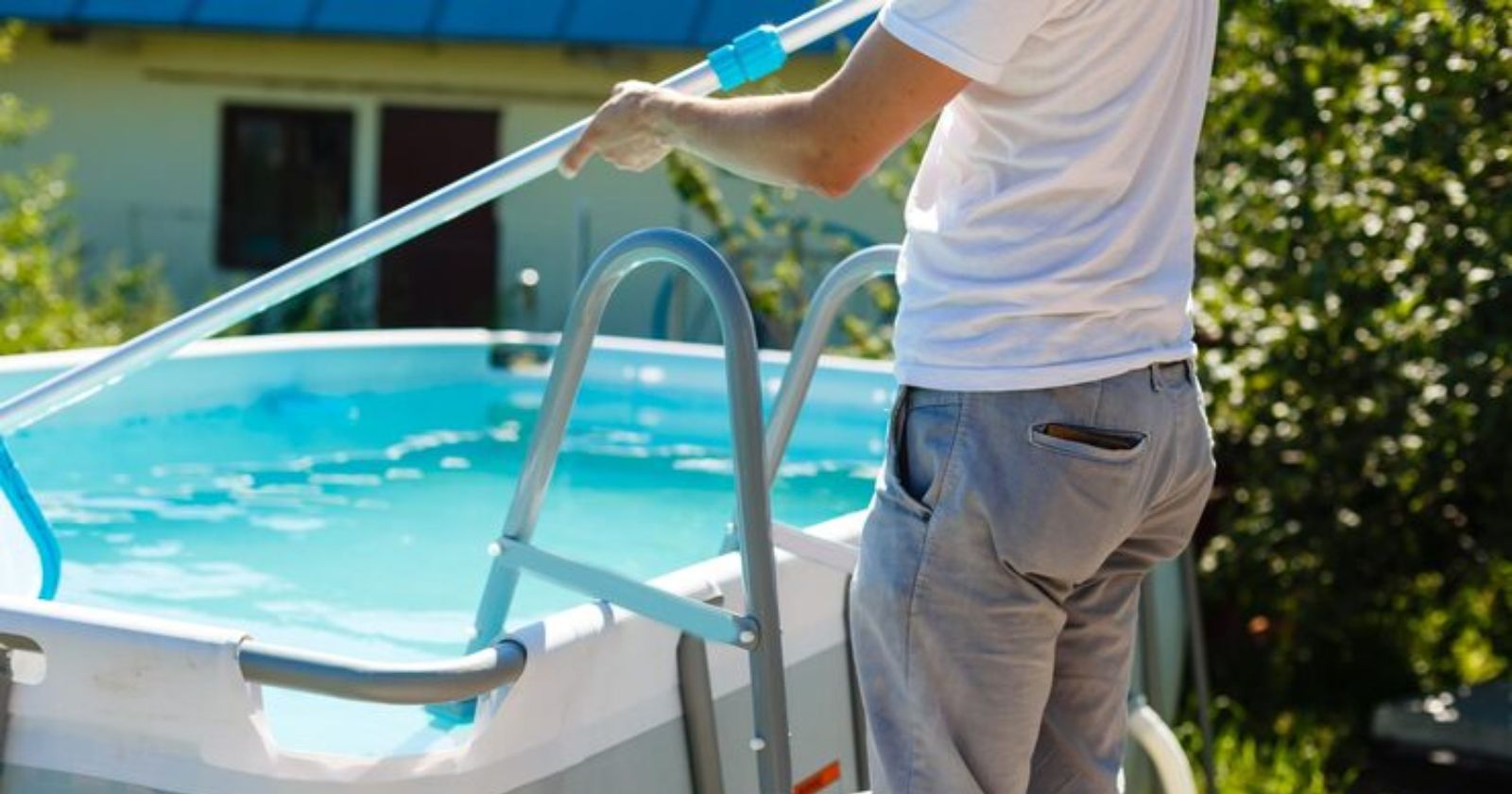
The Complete Homeowner Guide to Above Ground Pool Maintenance
Owning an above-ground pool is a fantastic way to enjoy summer fun, relax with family, and increase your home’s recreational value. However,...CONTINUE READING
January 30, 2026
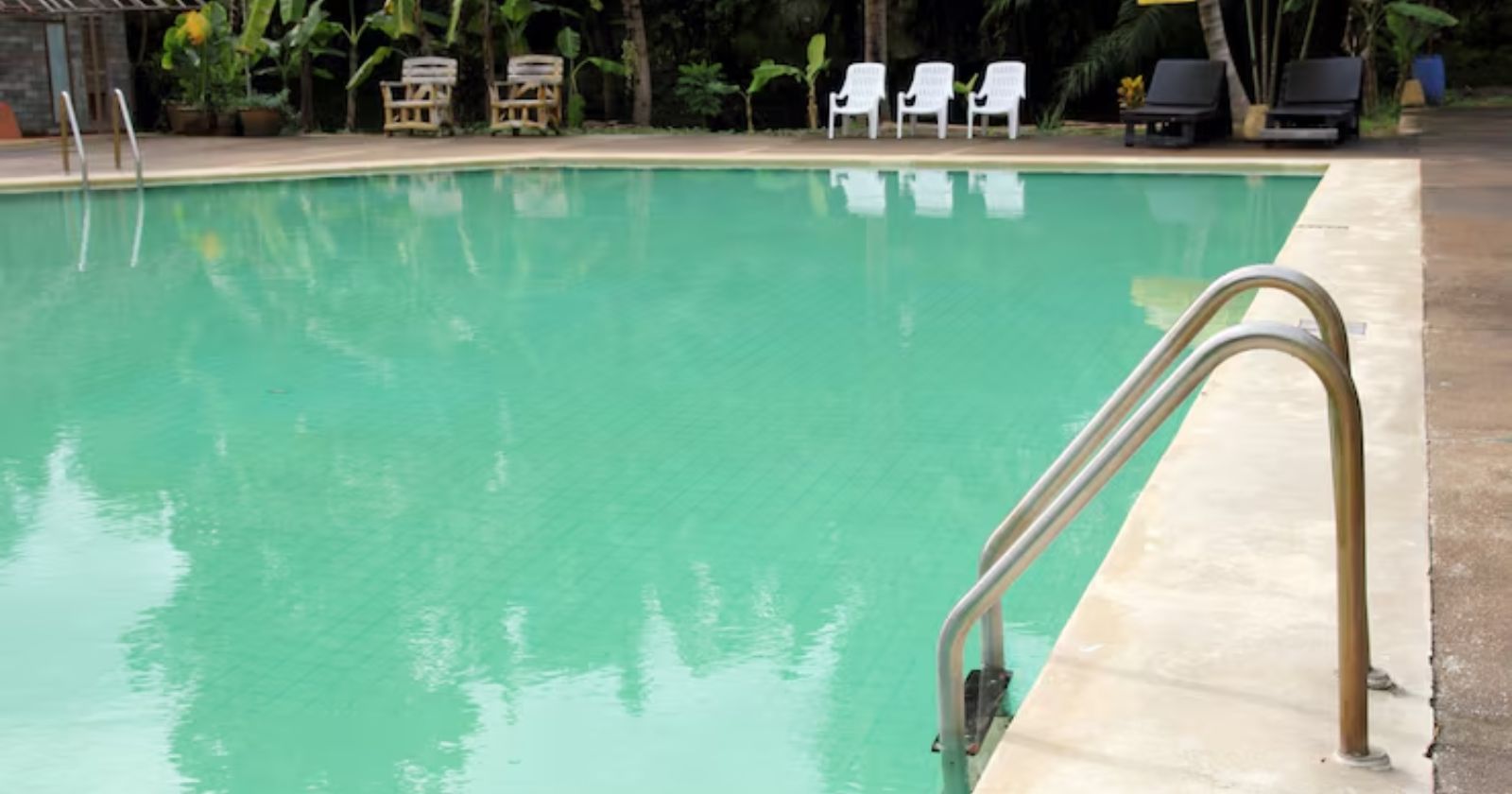
10 Long-Term Benefits of Salt Water Pool Installation for Modern Homes
Modern homeowners are increasingly choosing smarter, healthier, and low-maintenance upgrades—and installing a saltwater pool is among the most popular today. A saltwater...CONTINUE READING
January 30, 2026
Request A Free Estimate!
OR CALL 813-429-8737
Join our mailing list to receive tips