

Owning a swimming pool is one of life’s most lavish luxuries, especially in sunny states like Florida. But every pool owner knows that keeping it sparkling clean and safe takes consistent care. Among the many issues you might face, black algae is one of the most stubborn and frustrating. Unlike regular algae that can be scrubbed away, black algae forms deep roots in pool surfaces and often resists standard cleaning methods.
In this guide, we’ll cover everything you need to know about black algae in pools, how to prevent it, and the best strategies (and products) to keep your pool tiles spotless.
What Is Black Algae?
Black algae is not your typical algae—it’s a cyanobacteria that forms dark, bluish-green spots in swimming pools. Unlike green or yellow algae that float freely, black algae develops a hard protective layer that makes it resistant to chlorine and most pool chemicals.
When left untreated, black algae in a pool can:
- Spread rapidly across plaster, concrete, or tile surfaces
- Create unsightly stains that are tough to remove
- Harbor bacteria beneath its protective layer, potentially making your pool unsafe
- Lower your pool’s water quality, making it cloudy and unpleasant
This is why regular maintenance and proper cleaning are crucial to avoid turning your swimming pool into a breeding ground for black pool algae.
Why Black Algae Is So Hard to Remove
Unlike other forms of algae, black algae has roots (called “rhizoids”) that dig deep into pool plaster and grout. These roots allow it to anchor firmly and survive even when the top layer is scrubbed away. Additionally, black algae has a waxy outer layer that protects it from chlorine, making it one of the most resilient pool problems.
Because of this, preventing black algae is much easier than trying to get rid of it once it has taken hold.
Signs of Black Algae in Your Pool
Wondering if the dark spots in your pool are actually black algae? Here are common indicators:
- Dark blue-green or black spots that don’t brush away easily
- Growths that appear in cracks, corners, or shaded areas of the pool
- Rough patches on the pool’s surface where algae have rooted
- Persistent stains that remain even after scrubbing
If you’re noticing these symptoms, chances are you’re dealing with black algae in your pool.
How to Prevent Black Algae
The best way to tackle black algae is to stop it before it ever appears. Here are some prevention strategies every pool owner should follow:
1. Maintain Proper Water Chemistry
Consistently monitor chlorine, pH, and alkalinity levels. A well-balanced pool discourages algae growth. Test your pool water at least twice a week during peak swimming season.
2. Brush and Vacuum Regularly
Algae spores can settle into small cracks and rough surfaces. Brushing your pool walls, steps, and floor regularly helps prevent buildup. Make sure to use a stiff brush for plaster or concrete pools.
3. Clean Pool Tiles Thoroughly
Black algae often begins around grout lines and tiles. Using a professional Swimming Pool Tile Cleaner will help keep surfaces free of buildup where algae can take root.
4. Shock Your Pool Weekly
Super-chlorinating your pool (also known as shocking) helps kill bacteria and algae spores before they develop. This is especially important during hot weather when algae thrive.
5. Ensure Good Circulation
Poor circulation allows stagnant areas where algae can grow undisturbed. Make sure your pump and filtration system are running efficiently, and consider brushing areas where water flow is weaker.
6. Rinse Pool Equipment
Algae can cling to swimsuits, floats, and even pool brushes. Always rinse your equipment to avoid reintroducing spores.
How to Treat Black Algae if It Appears
If prevention fails and you’re dealing with black algae pool problems, here’s what you should do:
- Brush Vigorously – Use a wire or stiff-bristle brush to break through the algae’s protective layer.
- Shock the Pool – Double or triple shock your pool to raise chlorine levels enough to attack the algae.
- Apply Algaecide – Use a strong algaecide specifically designed for black algae.
- Scrub Again – After treatment, scrub the spots again to remove loosened algae.
- Vacuum & Filter – Remove dead algae and run your filter for 24–48 hours to clear the water.
It may take multiple treatments to completely eliminate black algae since it is one of the toughest pool invaders.
Importance of Cleaning Pool Tiles
Since black algae often forms around grout and tile lines, keeping your tiles spotless is essential. Regular maintenance using a trusted Swimming Pool Tile Cleaner not only prevents algae growth but also keeps your pool looking brand-new.
If you’re not sure where to start, here’s a simple guide on How to Clean Pool Tile:
- Use the right cleaning solution for your tile type
- Gently scrub buildup without damaging grout
- Rinse thoroughly to prevent residue from affecting water balance
- Repeat on a regular schedule for long-lasting results
By focusing on your pool’s tiles, you’ll remove one of the favorite hiding spots for black algae in pools.
Professional Help: When to Call Pool Experts
If your pool continues to struggle with algae despite your best efforts, it may be time to search for pool cleaning near me and call in professionals. A pool service company has specialized tools, stronger treatments, and the expertise needed to remove stubborn black algae in a pool.
Professionals can also:
- Perform deep cleanings that target hard-to-reach areas
- Restore tile and grout with commercial-grade cleaners
- Balance your pool chemistry with precision
- Offer ongoing maintenance plans to prevent future outbreaks
Final Thoughts
Black algae is one of the most persistent challenges pool owners face. Its deep roots and tough protective layer make it resistant to normal cleaning and chemical treatments. But with prevention, consistent cleaning, and the right products, you can keep black algae pool problems under control.
By using a reliable Swimming Pool Tile Cleaner and following expert tips on How to Clean Pool Tile, you’ll keep your pool tiles spotless and your water fresh.
And if things ever get out of hand, don’t hesitate to look up pool cleaning near me for professional help. With the right care, your swimming pool can stay clean, safe, and inviting all year round.
Let Us Handle the
Hard Work – You Just Enjoy the Water!
Hard Work – You Just Enjoy the Water!
Other Articles You Might Like
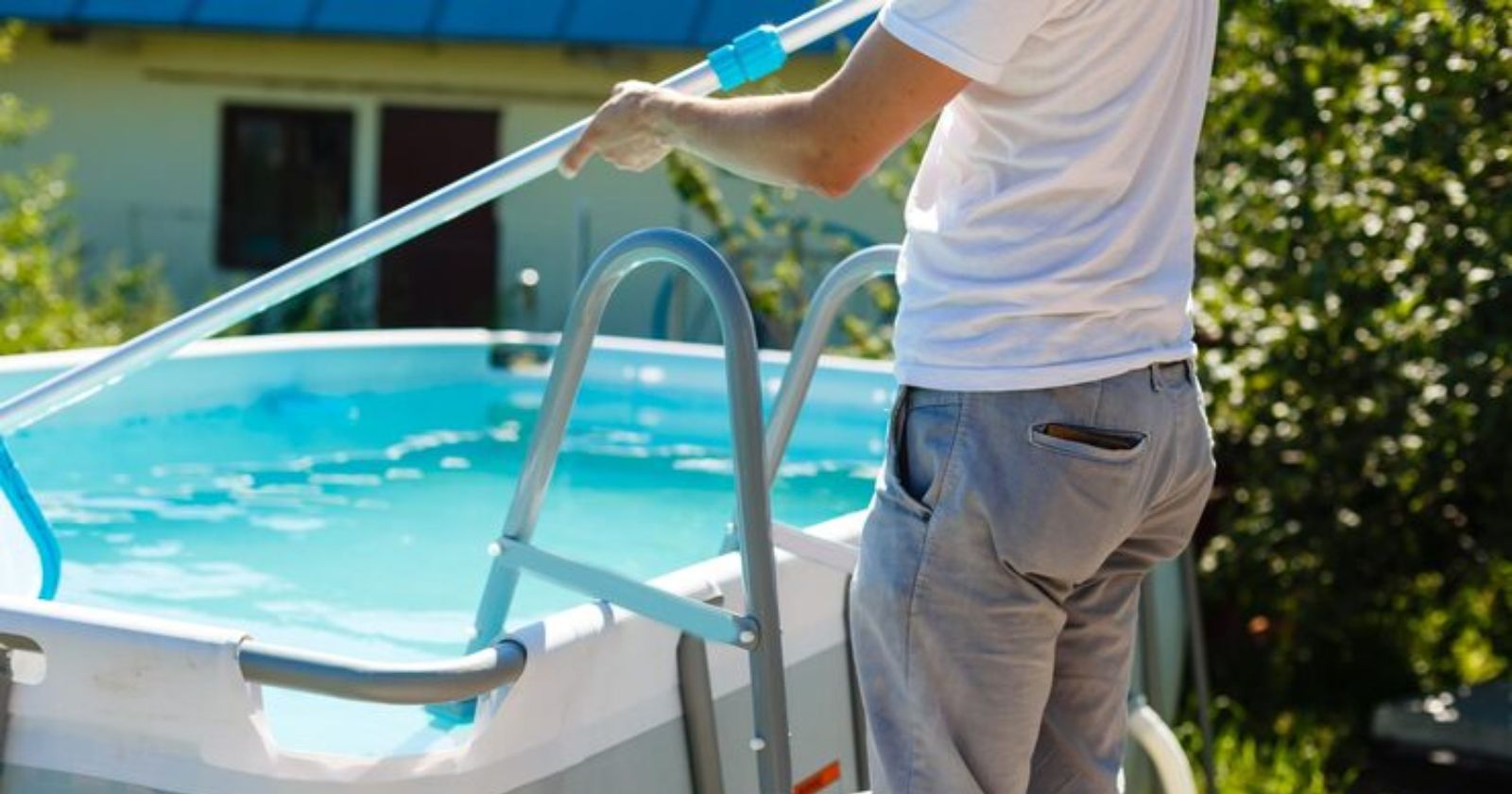
The Complete Homeowner Guide to Above Ground Pool Maintenance
Owning an above-ground pool is a fantastic way to enjoy summer fun, relax with family, and increase your home’s recreational value. However,...CONTINUE READING
January 30, 2026
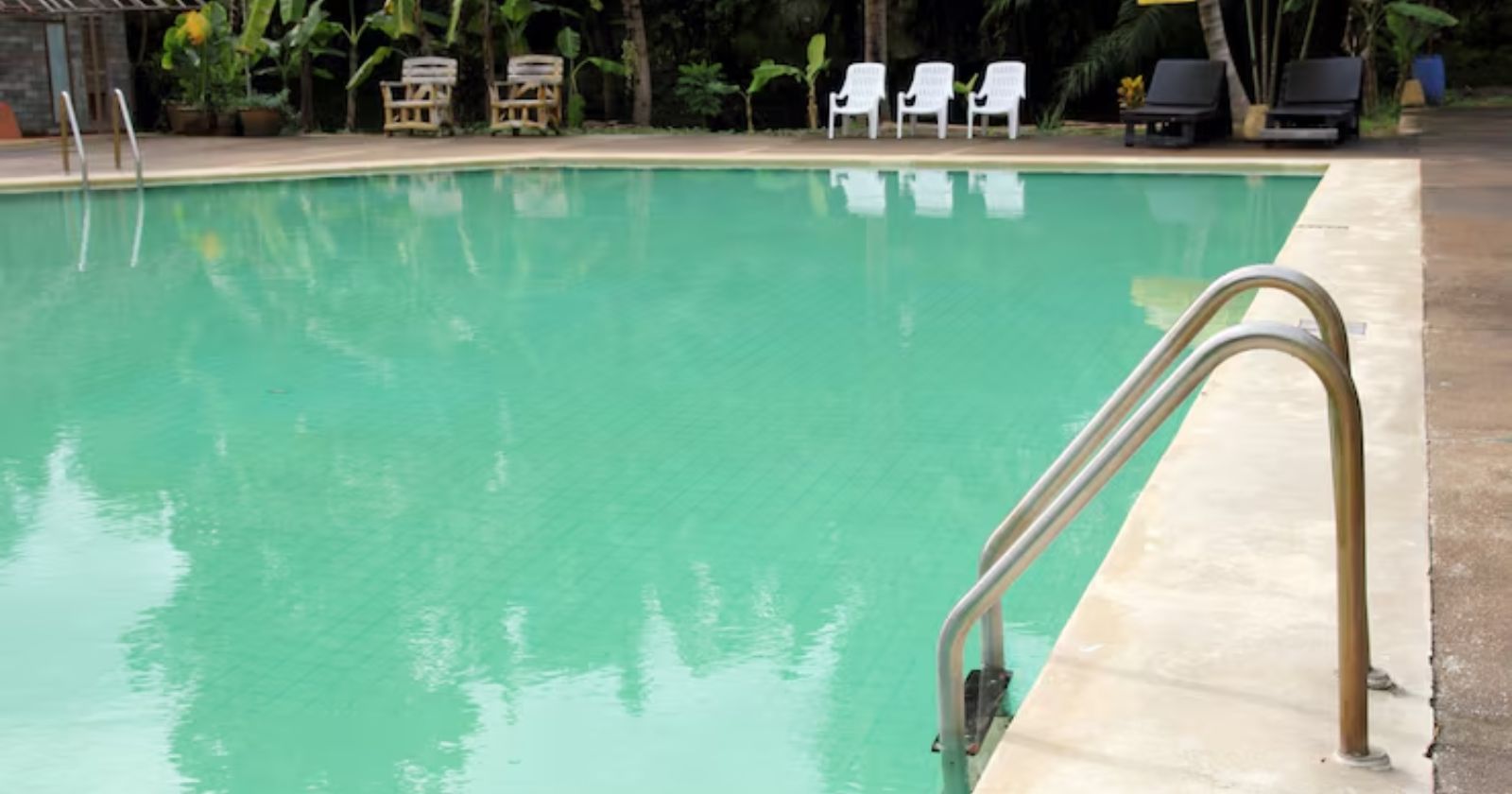
10 Long-Term Benefits of Salt Water Pool Installation for Modern Homes
Modern homeowners are increasingly choosing smarter, healthier, and low-maintenance upgrades—and installing a saltwater pool is among the most popular today. A saltwater...CONTINUE READING
January 30, 2026
Request A Free Estimate!
OR CALL 813-429-8737
Join our mailing list to receive tips