

Your pool pump is the heart of your swimming pool system. It keeps the water circulating, filters out debris, and helps maintain balanced chemical levels. It can turn your backyard oasis into a murky mess when it breaks down. Whether you’re a new pool owner or have had one for years, understanding the basics of pool pump repair is essential to keeping your pool in top shape year-round.
In this guide, we’ll explain everything you need to know about diagnosing pump problems, when to call a pool repair service, and how regular pool maintenance services can save you time and money in the long run.
Why Is Your Pool Pump Important?
A pool pump pulls water from your pool through the skimmers and main drain, passes it through the filter, and pushes clean water back in. This process:
- Removes debris
- Distributes chemicals evenly
- Prevents algae growth
- Keeps the water safe and clear
Without a functioning pool pump, your pool quickly becomes unsanitary and unsafe for swimming.
Common Signs You Need Pool Pump Repair
Catching early warning signs can prevent bigger issues. Here are some signs that it’s time to consider a pool pump repair:
1. Strange Noises
Grinding, screeching, or humming sounds could indicate issues with the motor bearings or debris caught in the impeller.
2. Low Water Circulation
If the water isn’t flowing properly, it might be a clogged pump basket, dirty filter, or a failing impeller.
3. Leaking Water
Leaks around the pump could be caused by a broken seal or cracked housing, which should be addressed immediately.
4. Pump Won’t Start or Shuts Off
Electrical issues, overheating, or a burned-out motor can prevent your pump from running.
5. Air in the Pump Basket
Air bubbles or inconsistent flow usually point to suction-side leaks or plumbing issues.
Ignoring these signs can lead to further damage and even higher pool repair service costs.
DIY Troubleshooting Tips Before Calling a Pro
Before calling a pool repair near me, here are a few steps you can take:
- Check the Power Supply
Ensure the circuit breaker hasn’t tripped, and the power source is working.
- Clean the Pump Basket
Remove debris from the basket to help improve flow.
- Check for Air Leaks
Inspect the O-rings and connections on the suction side of the pump for cracks or loose fittings.
- Inspect the Filter
A dirty or clogged filter can reduce water flow and strain the pump.
If these don’t solve the issue, it’s best to call a professional pool repair service to avoid causing further damage.
When to Call a Pool Pump Repair Professional
While some pool pump issues can be minor, others require expert intervention. You should contact a pool cleaning company or pool repair near me if:
- The pump motor needs to be replaced
- Electrical components are malfunctioning
- There’s a cracked housing or broken impeller
- You’ve tried troubleshooting and the problem persists
Professionals have the tools and expertise to diagnose and fix the issue efficiently and safely.
How Pool Pump Repair Works
A professional technician will typically follow these steps:
- Initial Inspection
They’ll evaluate the pump, motor, and plumbing for visible signs of wear or failure. - Testing Components
Using tools like multimeters, they’ll test voltage, resistance, and mechanical parts. - Disassembly and Repair
Depending on the problem, they may replace bearings, seals, or motor. - Reassembly and Testing
After repairs, the pump is reassembled and tested to ensure it’s working correctly.
A reputable pool repair service will also offer maintenance tips to help extend your pump’s life.
Extend Your Pump’s Life with Regular Pool Maintenance
Preventive care is your best defense against unexpected repairs. Scheduling routine pool maintenance services helps catch small issues before they become expensive.
Maintenance services typically include:
- Inspecting and cleaning the pump and filter
- Checking electrical connections
- Verifying water chemistry balance
- Monitoring pressure levels and flow rates
Hiring a professional pool cleaning company ensures your pool pump and other equipment run efficiently all season.
Pool Pump Replacement vs. Repair
Sometimes, it’s more cost-effective to replace your pump rather than repair it. Here’s when to consider replacement:
- Your pump is over 8–10 years old
- The motor has failed completely
- Replacement parts are no longer available
- Multiple repairs haven’t resolved the issue
Newer models are more energy-efficient and quieter. A pool technician can recommend the best type of pump for your pool’s size and usage.
Choosing the Right Pool Repair Service
When searching for a reliable pool repair near me, keep the following in mind:
- Experience & Certifications: Look for licensed technicians with years of experience.
- Reviews: Check online ratings and customer feedback.
- Services Offered: Choose a company that provides both repair and regular pool maintenance services.
- Pricing Transparency: Get estimates upfront and understand the scope of work.
At WTRDR, we pride ourselves on offering top-notch pool pump repair and full-service pool maintenance throughout Florida. Whether you need an emergency repair or a routine check-up, we’re just a call away.
Final Thoughts
Understanding the basics of pool pump repair empowers you to take better care of your pool. While some minor issues can be fixed with a bit of DIY effort, most problems are best left to a certified pool repair service. Regular cleaning, inspections, and timely repairs go a long way in preserving your pool system and avoiding costly replacements.
Don’t let a faulty pump ruin your swim season. Partner with a trusted pool cleaning company like WTRDR to keep your pool crystal clear, safe, and ready for use.
Let Us Handle the
Hard Work – You Just Enjoy the Water!
Hard Work – You Just Enjoy the Water!
Other Articles You Might Like
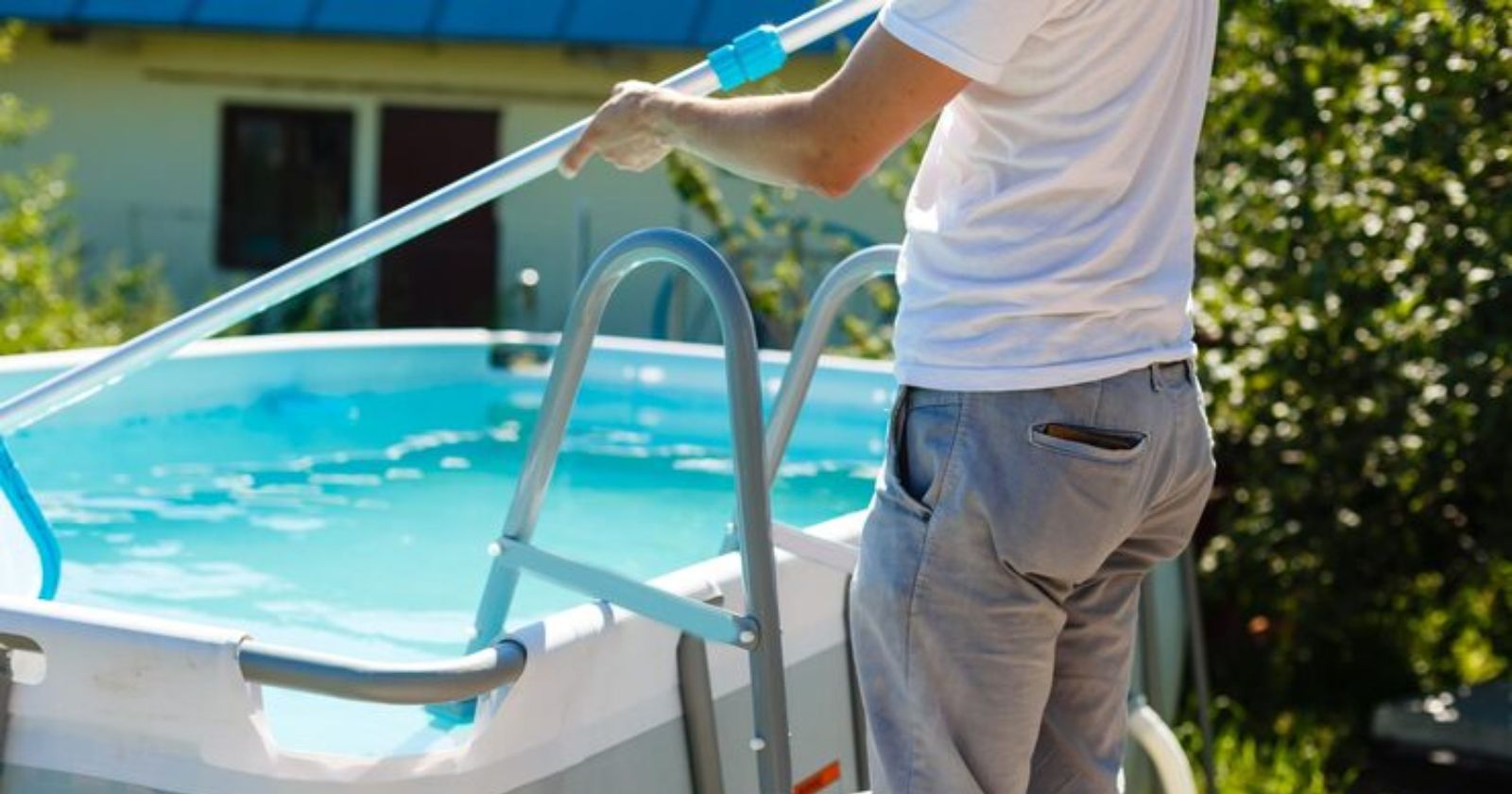
The Complete Homeowner Guide to Above Ground Pool Maintenance
Owning an above-ground pool is a fantastic way to enjoy summer fun, relax with family, and increase your home’s recreational value. However,...CONTINUE READING
January 30, 2026
10 Long-Term Benefits of Salt Water Pool Installation for Modern Homes
Modern homeowners are increasingly choosing smarter, healthier, and low-maintenance upgrades—and installing a saltwater pool is among the most popular today. A saltwater...CONTINUE READING
January 30, 2026
Request A Free Estimate!
OR CALL 813-429-8737
Join our mailing list to receive tips