

Owning a salt water pool comes with many benefits — softer water, less eye irritation, and fewer harsh chemicals. But even with these perks, regular salt water pool maintenance is essential to keep your pool clean, balanced, and sparkling all year long. Whether you’re a new pool owner or looking to simplify your cleaning routine, understanding the right techniques and tools can make all the difference.
In this guide, we’ll break down the essentials of residential swimming pool maintenance, provide practical cleaning tips, and show how professional Pool Maintenance Services can help you save time while ensuring your pool stays in perfect condition.
Understanding Salt Water Pool Systems
Salt water pools use a chlorine generator (also known as a salt cell or chlorinator) that converts salt into chlorine through electrolysis. This process provides a steady flow of natural chlorine, keeping the water sanitized without the strong smell or irritation associated with traditional chlorine pools.
While these systems are more self-sustaining, they’re not maintenance-free. Regular care helps prevent issues like cloudy water, scaling, and equipment wear.
Why Salt Water Pool Maintenance Is Important
Even though salt systems automatically produce chlorine, they still require routine monitoring and cleaning. Proper salt water pool maintenance ensures:
- Balanced water chemistry for safe swimming
- Prolonged equipment life, including pumps and filters
- Clear, algae-free water
- Reduced repair costs over time
Neglecting regular care can lead to corrosion, scaling on pool surfaces, and inefficient chlorination — all of which can be costly to fix.
Step-by-Step Guide: How to Maintain a Salt Water Pool
Learning How to Maintain a Pool is easier than it sounds. With consistent care and the right tools, you can keep your salt water pool pristine throughout every season.
Here’s a step-by-step guide to help you get started:
1. Check and Balance the Water Chemistry Weekly
Maintaining balanced water chemistry is the foundation of salt water pool care. Test your pool water weekly using a reliable testing kit. Focus on these key levels:
- Free Chlorine: 1–3 ppm
- pH Level: 7.2–7.6
- Alkalinity: 80–120 ppm
- Calcium Hardness: 200–400 ppm
- Salt Level: 2700–3400 ppm (depending on manufacturer recommendation)
If the readings are off, use pool chemicals to bring them back to ideal levels. Keeping your pH and chlorine in check helps prevent scaling and cloudy water.
2. Clean the Salt Cell Regularly
The salt cell plays a crucial role in producing chlorine. Over time, it can accumulate calcium deposits, reducing efficiency. To keep it working properly:
- Turn off the pool system.
- Remove the cell and inspect it for buildup.
- If scaling is visible, soak it in a mild acid solution following the manufacturer’s instructions.
- Rinse and reinstall.
Cleaning your salt cell every 2–3 months helps maintain proper chlorine generation.
3. Brush and Skim the Pool Weekly
Even with advanced filtration systems, debris can still collect in your pool. Regular brushing and skimming prevent algae and dirt buildup.
- Skim the surface daily to remove leaves and insects.
- Brush the walls, steps, and corners weekly to prevent algae growth.
- Vacuum the pool floor or use an automatic pool cleaner for deep cleaning.
Consistent weekly pool maintenance keeps your pool water crystal clear and safe.
4. Clean the Pool Filter
The filter is the heart of your pool’s circulation system. Whether you use a sand, cartridge, or DE filter, it needs regular cleaning to maintain water clarity.
- Backwash sand or DE filters every 4–6 weeks.
- Rinse cartridge filters thoroughly and replace them annually or as needed.
- Inspect for clogs or damage during each cleaning cycle.
A clean filter ensures your pool pump runs efficiently and your water stays clean.
5. Maintain Proper Water Levels
Evaporation and splash-out can lower your pool’s water level. Low water levels can cause air to enter the pump system, leading to potential damage.
Check the water level weekly and refill if needed, ensuring it sits halfway up the skimmer opening.
6. Shock the Pool Periodically
Even though your saltwater system produces chlorine, shocking your pool every few weeks helps eliminate chloramines and bacteria.
- Use a non-chlorine shock treatment or chlorine-based pool shock as recommended.
- Shock at night or when the pool is not in use.
- Run the pump for 8–12 hours to circulate the water thoroughly.
This extra step keeps your pool water fresh and free from odors.
7. Schedule Professional Maintenance
If managing your pool feels overwhelming, consider hiring professional pool cleaning service experts. A trained technician can inspect your system, test water chemistry, clean filters, and perform preventive maintenance.
If you’re looking for “pool maintenance near me” or “swimming pool cleaning service near me,” hiring a trusted company ensures your pool stays in top condition year-round.
Benefits of Weekly Pool Maintenance Services
Partnering with professionals for residential swimming pool maintenance saves you time and effort while ensuring your pool receives expert care.
Here’s what you can expect from professional Pool Maintenance Services:
- Routine cleaning of pool floors, walls, and tiles
- Filter inspection and cleaning
- Salt cell maintenance and system checks
- pH, chlorine, and alkalinity balancing
- Equipment performance checks
Regular service visits help detect potential issues early, avoiding costly repairs and downtime.
Swimming Pool Maintenance in Land O’ Lakes, FL
If you live in Florida, consistent swimming pool maintenance in Land O’ Lakes, FL, is crucial due to the warm climate and high humidity. These conditions promote algae growth and can cause rapid water evaporation.
Local experts understand how Florida’s weather affects pool systems and can recommend the proper cleaning schedules and chemical balances for optimal results. Choosing a local service provider ensures faster response times and personalized care for your unique pool setup.
Signs Your Salt Water Pool Needs Extra Attention
Even with regular cleaning, watch for these signs that your pool may need additional maintenance:
- Cloudy or greenish water
- A strong chlorine or sulfur smell
- White scaling on pool surfaces
- Reduced water flow from jets
- Salt cell or pump warning lights
Addressing these issues promptly with a professional pool cleaning service can prevent larger problems.
Conclusion
Maintaining a saltwater pool doesn’t have to be complicated. With consistent care, balanced water chemistry, and regular cleaning, you can enjoy a crystal-clear pool all year long.
Whether you prefer DIY maintenance or want expert help, following proven How to Maintain a Pool practices will keep your system running efficiently. Consider scheduling routine Pool Maintenance Services from a trusted local company for reliable, professional support.
From weekly pool maintenance to deep cleaning and salt cell inspections, proper care ensures your pool remains a relaxing retreat — not a stressful chore. So dive in confidently, knowing your saltwater pool is sparkling clean, balanced, and ready for year-round enjoyment.
Let Us Handle the
Hard Work – You Just Enjoy the Water!
Hard Work – You Just Enjoy the Water!
Other Articles You Might Like
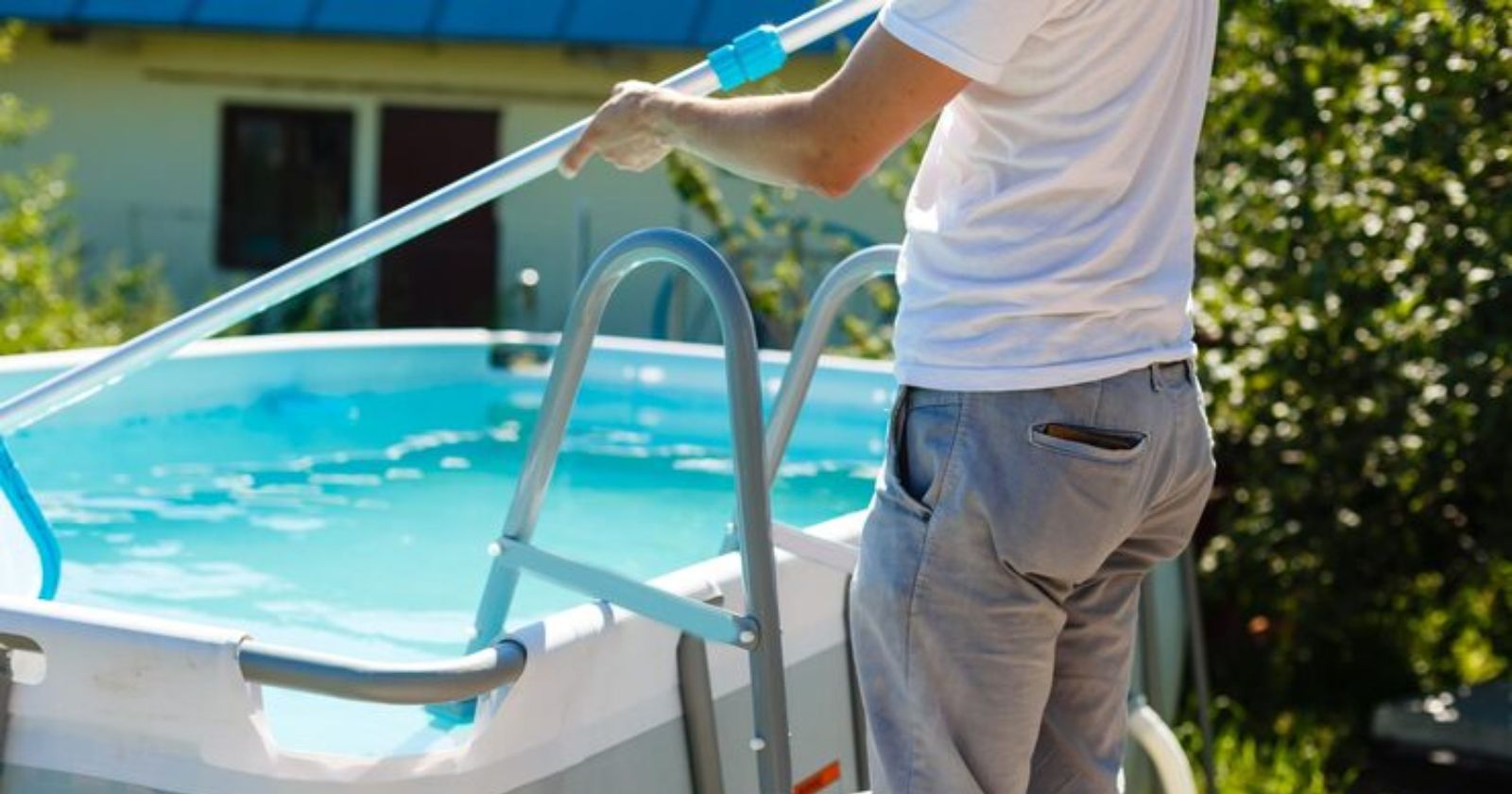
The Complete Homeowner Guide to Above Ground Pool Maintenance
Owning an above-ground pool is a fantastic way to enjoy summer fun, relax with family, and increase your home’s recreational value. However,...CONTINUE READING
January 30, 2026
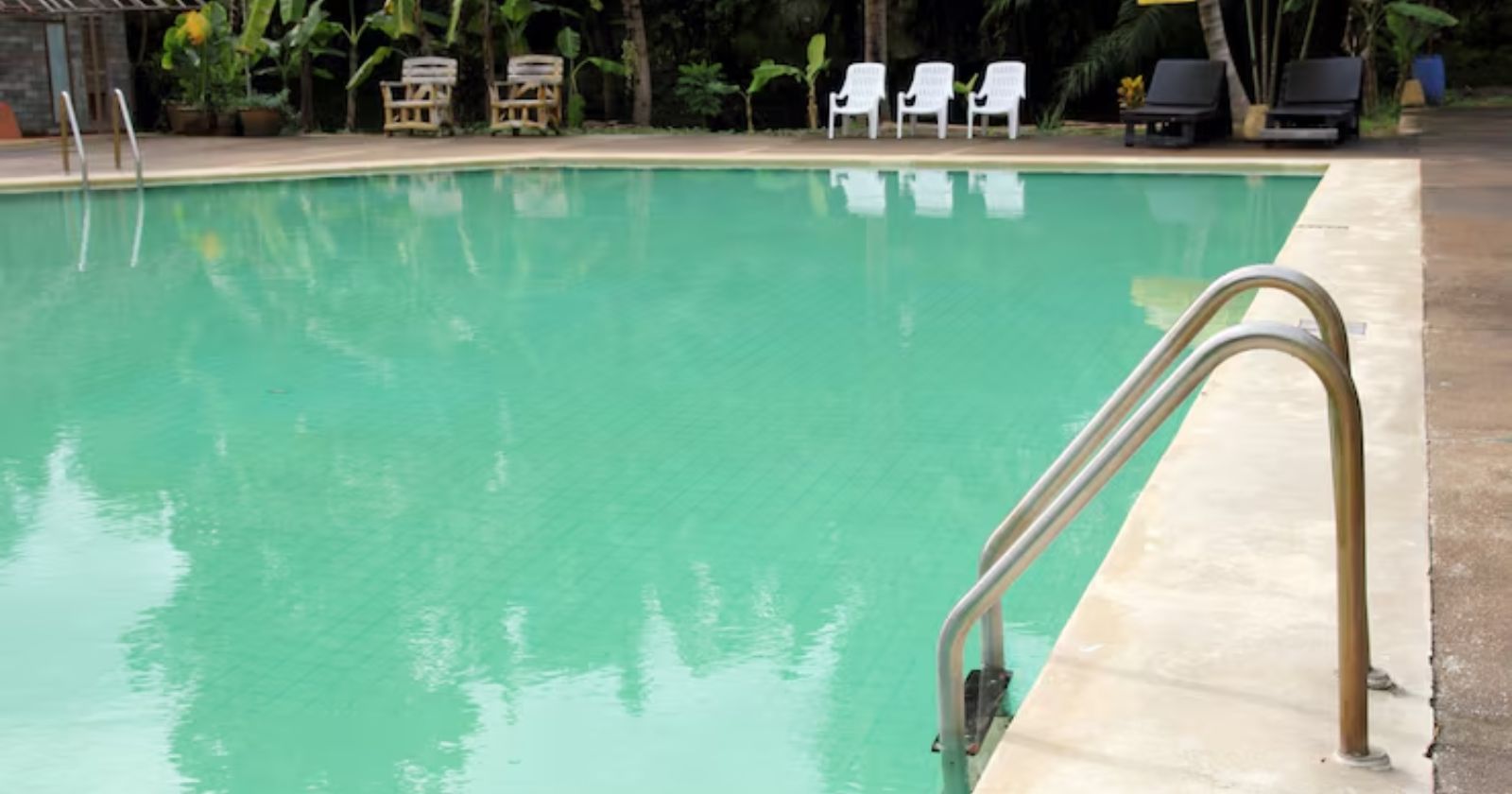
10 Long-Term Benefits of Salt Water Pool Installation for Modern Homes
Modern homeowners are increasingly choosing smarter, healthier, and low-maintenance upgrades—and installing a saltwater pool is among the most popular today. A saltwater...CONTINUE READING
January 30, 2026
Request A Free Estimate!
OR CALL 813-429-8737
Join our mailing list to receive tips