

Salt water swimming pools have become one of the most popular choices for both new pool builds and pool conversions. Homeowners love them for their gentle feel, lower chlorine smell, and overall ease of maintenance. But before you install a salt water swimming pool, it’s important to understand how they work, what they require, and whether they’re the right fit for your home.
This comprehensive guide covers everything you need to know—from equipment and costs to salt water pool maintenance, water chemistry, and the benefits of salt water pool systems.
What Is a Salt Water Swimming Pool?
Many people assume a salt water pool is like swimming in the ocean—but in reality, the salt levels are much lower. Salt water pools use a salt chlorine generator (also called a salt cell) to convert dissolved salt into chlorine. This automatic process releases a gentle, steady amount of chlorine to sanitize the pool.
So, yes—saltwater pools still use chlorine, but the big difference is how chlorine is produced and how it feels on your skin and eyes.
How Salt Water Pools Work
A saltwater pool system operates using a few core components:
Salt Chlorine Generator
This device converts salt into chlorine through electrolysis, producing a steady, natural chlorine flow.
Pool Pump & Filter
The pump circulates water through the filter and salt cell. Any standard pool pump can be used with salt systems, but filters for saltwater pools often feature upgraded, corrosion-resistant components.
Salt (Pool-Grade)
The salt dissolves in the water and remains there unless diluted or splashed out. You can easily find it by searching for ‘pool salt near me’.
Control Panel
Allows you to adjust chlorine output levels depending on temperature and pool usage.
This system creates soft, silky water without harsh chemical odors—one reason many homeowners are switching to salt systems.
Benefits of a Salt Water Pool
Considering a salt water pool? You’re not alone. Many pools installed today are salt-based due to their many advantages. Learn more on our detailed guide here: benefits of salt water pool.
Here are some of the top benefits:
Gentle on Skin, Hair & Eyes
Salt water is easier on your body compared to traditional chlorine, making swimming more pleasant.
Lower Maintenance
Because chlorine is generated automatically, you don’t need to manually add chemicals as often.
Cost-Effective Over Time
While initial installation costs can be higher, long-term chemical expenses are lower.
Cleaner, Softer Water
Many users find that saltwater pools feel smoother and less irritating.
Reduced Harsh Chemical Smell
No more strong chlorine odors that linger on skin and swimsuits.
Eco-Friendly Option
Because salt pools produce chlorine naturally, they require fewer packaged chemical products.
Considerations Before Installing a Saltwater Pool
Before proceeding, there are several key factors you should be aware of.
1. Initial Cost vs. Long-Term Savings
Saltwater systems cost more upfront because of the salt cell, control panel, and corrosion-resistant materials needed. However, they often save money over time due to lower chemical usage.
Estimated Costs:
- Saltwater generator: $800–$2,500
- Professional installation: $300–$1,000
- Salt (initial fill): $100–$200
2. Compatibility With Pool Types
Salt systems work with most pools, including:
- In-ground pools
- Salt water above-ground pool systems (very popular)
- Vinyl liner pools
- Fiberglass pools
- Concrete pools
However, salt water can be corrosive to some metals, so ladders, handrails, or fixtures may need upgrading to stainless steel or corrosion-resistant options.
3. Necessary Equipment
Transitioning to a saltwater system may require:
- Salt chlorine generator
- Corrosion-resistant ladder/rails
- Upgraded heater or heater exchangers
- Salt-friendly filters for saltwater pools
- A control panel for adjusting chlorine output
If you already own a pool, upgrading may be simpler than you think.
4. Water Chemistry Requirements
Although salt pools are lower maintenance, they still require basic monitoring.
Key levels to check:
- Salt level: 2,700–3,500 ppm
- pH: 7.2–7.6
- Free chlorine: 1–3 ppm
- Stabilizer (CYA): 70–80 ppm
- Calcium hardness: 200–400 ppm
Proper chemistry ensures long life for your equipment and comfortable swimming conditions.
Salt Water Pool Maintenance 101
A major appeal of salt water pools is that they require fewer chemicals and less hands-on upkeep. However, maintenance isn’t eliminated—it’s simply reduced.
For a full guide, check out: salt water pool maintenance.
Here’s what you’ll need to do:
Test Water Weekly
Check pH, chlorine, and stabilizer levels.
Clean the Salt Cell
Calcium can build up in the salt cell over time. Cleaning every 3–6 months is recommended.
Add Salt Occasionally
Salt doesn’t evaporate, but splash-out, backwashing, or heavy rain can lower salt levels.
Brush and Vacuum
Saltwater pools still need brushing to prevent algae and keep surfaces smooth.
Check for Corrosion
Metal fixtures should be inspected routinely.
Monitor Filter Pressure
A clogged filter can reduce chlorine output.
Salt water systems are easier to care for, but like any pool, they still require regular attention.
Is a Salt Water Pool Right for You?
Salt water pools are ideal for homeowners who want:
- Low maintenance
- Softer, more comfortable swimming
- Fewer chemicals
- Reduced chlorine odor
- Long-term savings
They may not be ideal if:
- You have a pool with metal components that can’t be upgraded
- You prefer minimal upfront cost
- You live in extremely cold climates (extra winterizing steps required)
Salt Water vs. Chlorine Pools: A Quick Comparison
| Feature | Salt Water Pool | Traditional Chlorine Pool |
| Chlorine Source | Generated automatically | Manually added |
| Maintenance | Lower | Higher |
| Water Feel | Soft, gentle | Can be harsh |
| Upfront Cost | Higher | Lower |
| Chemical Smell | Low | High |
| Long-Term Cost | Lower | Higher |
Buying Pool Salt: What You Should Know
When searching for pool salt near me, make sure to purchase:
- Pool-grade salt (sodium chloride)
- At least 99% pure
- Additive-free (no iodized salt or impurities)
Using the right salt ensures your generator works efficiently.
Installation Tips for First-Time Salt Water Pool Owners
Here’s how to get the best results:
Hire a qualified pool technician
Professional installation ensures proper wiring, plumbing, and configuration.
Use high-quality equipment
Salt-resistant filters and heaters prevent long-term damage.
Start with balanced water
Before adding salt, ensure all levels are within the recommended range.
Add salt slowly
Let it dissolve completely before turning on the generator.
Read your system manual
Every generator has different output settings and cell-care guidelines.
Final Thoughts
A saltwater swimming pool is an excellent investment if you want a more relaxing, cost-effective, and low-maintenance swimming experience. From improved water quality to long-term savings and comfort, salt systems offer numerous advantages over traditional pools.
Before installing a system, be sure to familiarize yourself with salt water pool maintenance and understand the long-term care requirements. And if you’re still weighing the decision, explore the full benefits of salt water pool systems to help determine if it’s the right choice for your home.
With the right setup, maintenance routine, and equipment, your salt water pool will provide years of crystal-clear, luxurious swimming enjoyment. Dive in—you’re going to love it!
Let Us Handle the
Hard Work – You Just Enjoy the Water!
Hard Work – You Just Enjoy the Water!
Other Articles You Might Like
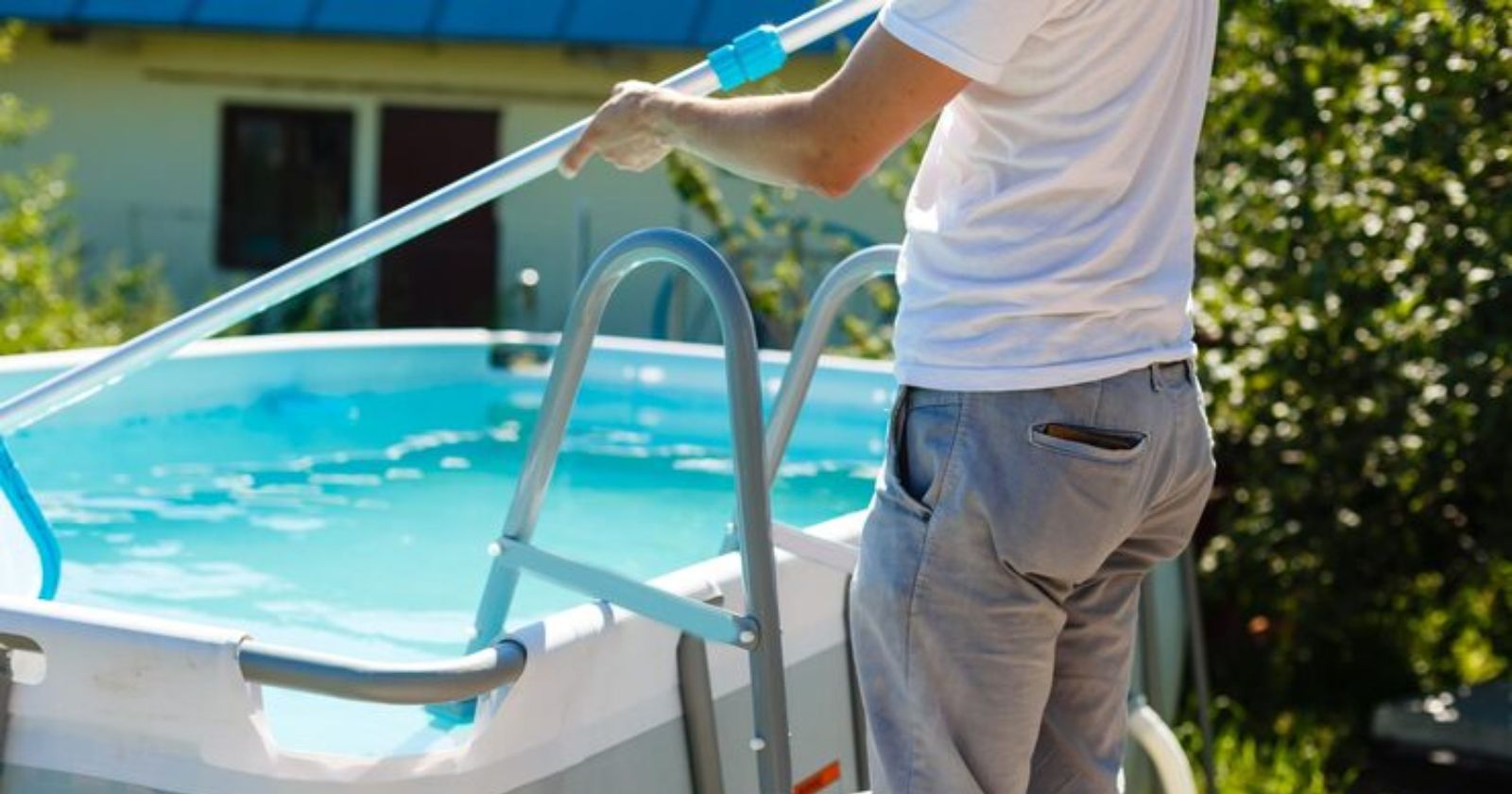
The Complete Homeowner Guide to Above Ground Pool Maintenance
Owning an above-ground pool is a fantastic way to enjoy summer fun, relax with family, and increase your home’s recreational value. However,...CONTINUE READING
January 30, 2026
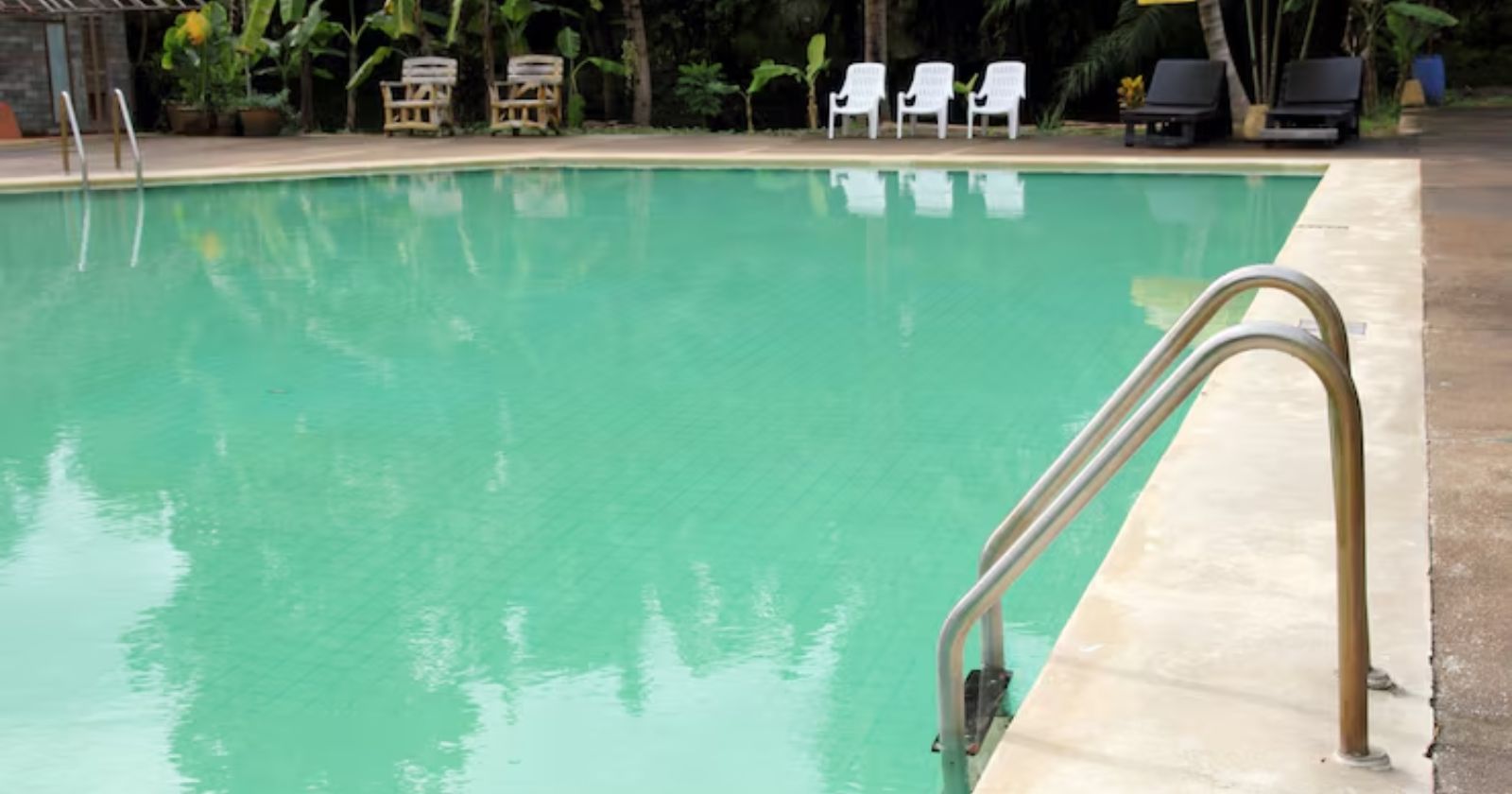
10 Long-Term Benefits of Salt Water Pool Installation for Modern Homes
Modern homeowners are increasingly choosing smarter, healthier, and low-maintenance upgrades—and installing a saltwater pool is among the most popular today. A saltwater...CONTINUE READING
January 30, 2026
Request A Free Estimate!
OR CALL 813-429-8737
Join our mailing list to receive tips