

Owning a swimming pool brings joy, relaxation, and a refreshing escape from the heat. But with that enjoyment comes responsibility—swimming pool maintenance is essential to ensure your pool stays clean, safe, and functional throughout the year.
If you’re wondering how to maintain a pool or need a structured routine to follow, this ultimate swimming pool maintenance checklist will guide you step-by-step. We’ll also touch on important elements like proper equipment care, seasonal maintenance tips, and when to call in professionals for pool maintenance services.
Why Is Swimming Pool Maintenance Important?
Routine pool maintenance ensures:
- Safe water for swimmers
- Prolonged life of your pool equipment
- Prevention of algae, bacteria, and cloudy water
- Reduced long-term repair costs
Whether you do it yourself or rely on a trusted pool maintenance services provider, a consistent checklist makes all the difference.
Weekly Swimming Pool Maintenance Checklist
Here’s what you should do every week to keep your pool sparkling and safe:
1. Check and Balance Chemical Levels
Maintain the correct pH, chlorine, and alkalinity levels:
- Chlorine: 1.0 – 3.0 ppm
- pH: 7.2 – 7.6
- Total Alkalinity: 80 – 120 ppm
Use a pool testing kit to measure and adjust chemicals as needed.
2. Skim Surface and Remove Debris
Use a skimmer net to remove leaves, bugs, and other debris from the water’s surface.
3. Brush Walls and Vacuum Floor
Brush the pool walls, steps, and floor to prevent algae buildup. Vacuum the floor manually or with an automatic pool cleaner.
4. Empty Skimmer and Pump Baskets
Clear out any collected debris to keep water circulating efficiently.
5. Check the Filter System
Inspect your pool filter—whether it’s sand, cartridge, or DE. Clean or backwash when necessary to maintain water clarity.
Monthly Swimming Pool Maintenance Checklist
These tasks are essential but don’t require weekly attention:
1. Inspect the Swimming Pool Pump Motor
Your pool’s heart is the swimming pool pump motor. Ensure it’s operating smoothly without strange noises or leaks. A failing motor can compromise water circulation and lead to cloudy or unsafe water.
2. Shock the Pool
Adding a lot of chlorine to the pool to kill bacteria, algae, and other impurities is known as shock treatment. Do this once a month or after heavy usage.
3. Lubricate O-Rings and Check Seals
O-rings in the pump and filter systems can dry out or crack. Lubricate them regularly to prevent leaks and keep your system watertight.
4. Inspect Pool Lights and Fixtures
Make sure underwater lights are working and electrical components are safe from water damage.
Seasonal Swimming Pool Maintenance Tips
Adjust your routine based on the season and pool usage.
Spring (Opening Season)
- Remove the pool cover and clean it thoroughly.
- Reconnect the pump, filter, and other equipment.
- Test and balance the water chemistry.
- Brush and vacuum the pool thoroughly.
- Schedule a professional swimming pool maintenance service to inspect the system and prepare for summer.
Summer (High-Usage Season)
- Perform weekly maintenance tasks diligently.
- Monitor water level frequently due to evaporation.
- Run the pump 8–12 hours a day for proper circulation.
- Keep chemicals balanced—especially after pool parties.
Fall (Closing Season)
- Remove debris regularly as leaves begin to fall.
- Lower water levels slightly before covering.
- Shock the pool one last time.
- Add algaecide and winterizing chemicals.
- Clean and store pool accessories safely.
Winter (If Not in Use)
- Keep the pool covered.
- Periodically remove debris from the cover.
- Check for ice buildup if in freezing climates.
- Inspect equipment monthly to ensure it’s in good condition.
Signs You Need Professional Pool Maintenance Services
While DIY maintenance works for many, there are times when hiring professionals for pool maintenance services is the best decision:
- Persistent algae issues
- Cloudy water despite balanced chemicals
- Unusual noises from the swimming pool pump motor
- Leaking equipment
- You lack the time or experience to manage upkeep
Experienced technicians can provide expert-level cleaning, chemical balancing, and equipment repairs, ensuring your pool stays pristine all year.
Common Pool Maintenance Mistakes to Avoid
Here are some of the most frequent pool care errors that homeowners make:
- Overusing chemicals: Can lead to skin irritation and equipment corrosion.
- Neglecting filter maintenance: Dirty filters reduce water clarity and efficiency.
- Ignoring water level: Too low or too high water can damage pumps and skimmers.
- Not cleaning after a storm or pool party: More swimmers mean more contaminants.
Avoid these mistakes with a structured checklist or by partnering with reliable pool maintenance services.
Pool Maintenance Equipment You Should Have
- Pool skimmer net
- Pool brush
- Pool vacuum (manual or robotic)
- Water testing kit
- Chlorine tablets or liquid
- Pool shock treatment
- Filter cleaner
- Pool cover
Also, schedule regular inspections of your swimming pool pump motor, vital for keeping water moving and preventing stagnation.
Final Thoughts
Effective swimming pool maintenance is about consistency and early intervention. A dirty or unbalanced pool isn’t just unappealing—it can be unsafe for you and your family.
By following this comprehensive maintenance of swimming pool checklist and working with trusted pool maintenance services, you can enjoy sparkling, safe water throughout every season.
Whether you’re a first-time pool owner or looking to improve your care routine, remember: a little regular maintenance goes a long way. And if you’re ever unsure, leave it to the experts who specialize in professional swimming pool maintenance service.
Let Us Handle the
Hard Work – You Just Enjoy the Water!
Hard Work – You Just Enjoy the Water!
Other Articles You Might Like
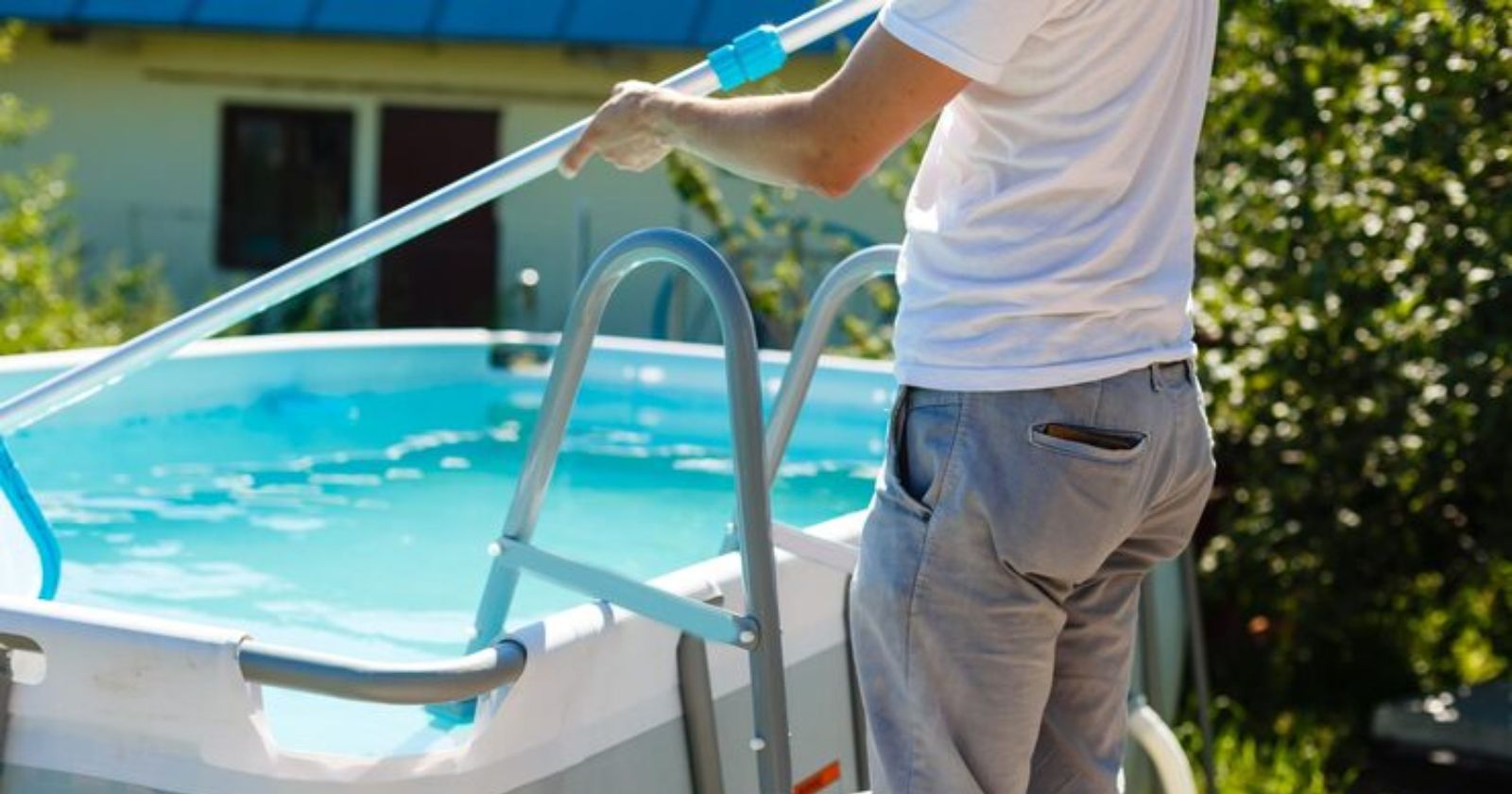
The Complete Homeowner Guide to Above Ground Pool Maintenance
Owning an above-ground pool is a fantastic way to enjoy summer fun, relax with family, and increase your home’s recreational value. However,...CONTINUE READING
January 30, 2026
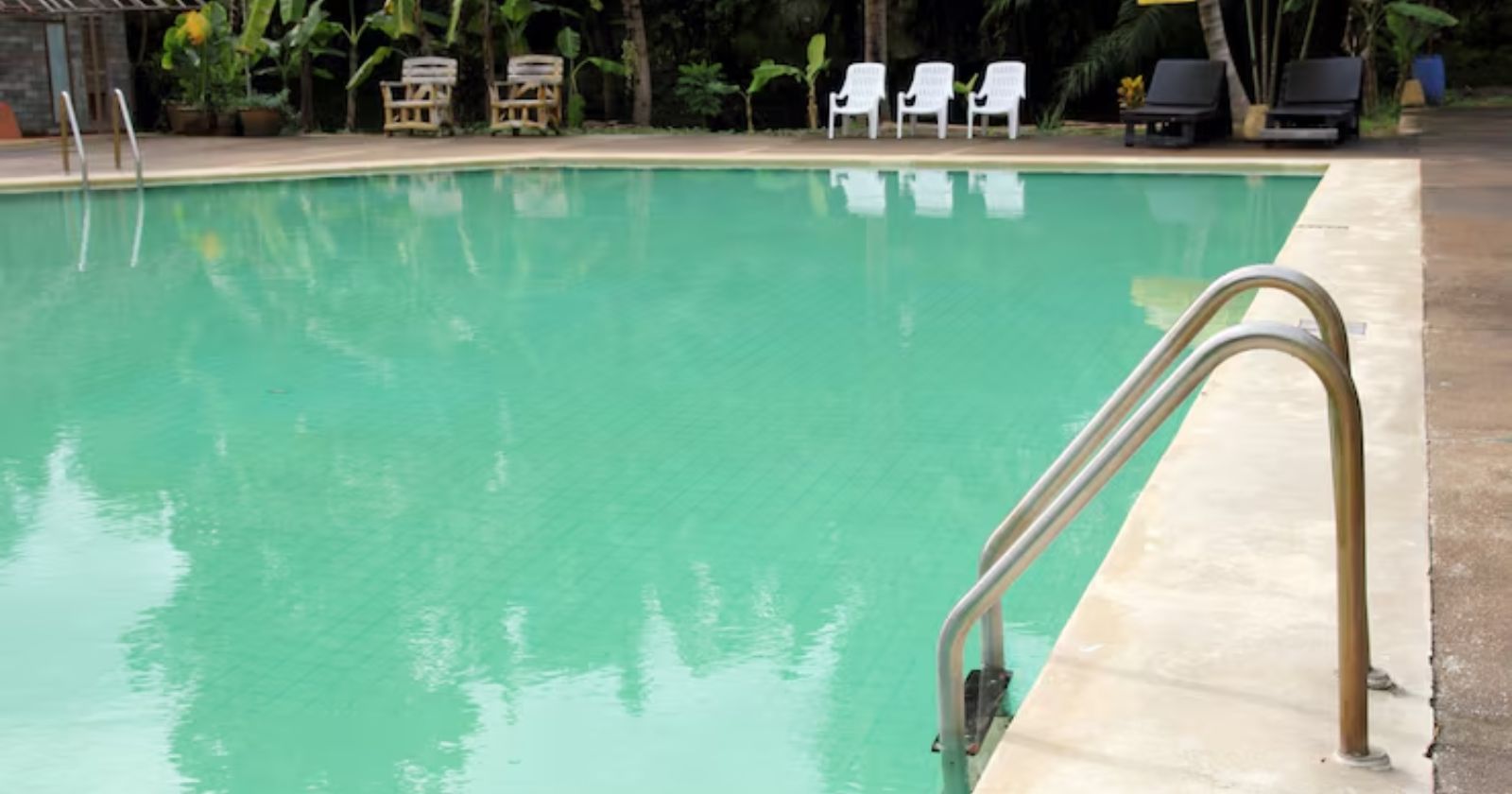
10 Long-Term Benefits of Salt Water Pool Installation for Modern Homes
Modern homeowners are increasingly choosing smarter, healthier, and low-maintenance upgrades—and installing a saltwater pool is among the most popular today. A saltwater...CONTINUE READING
January 30, 2026
Request A Free Estimate!
OR CALL 813-429-8737
Join our mailing list to receive tips