

Owning a swimming pool is a great way to relax, entertain, and stay active—but only if the water stays clean and safe. Many pool owners often ask how to clean a pool properly without spending endless hours or risking water quality issues. The good news is that with the right process and consistency, maintaining crystal-clear water is completely achievable.
In this guide, we’ll walk you through a step-by-step pool cleaning routine, explain when to consider swimming pool cleaning services, and share expert tips for achieving the Cleanest Swimming Pool possible.
Why Regular Pool Cleaning Is Important
Pool water is constantly exposed to dirt, leaves, insects, sunscreen, sweat, and bacteria. Without proper cleaning, even a visually clear pool can become unsafe.
Regular cleaning helps:
- Prevent algae and bacteria growth
- Maintain proper water chemistry
- Extend the life of pool equipment
- Ensure safe swimming conditions
Whether you maintain your pool yourself or rely on pool companies near me, understanding the cleaning process helps you make informed decisions.
Step 1: Remove Surface Debris
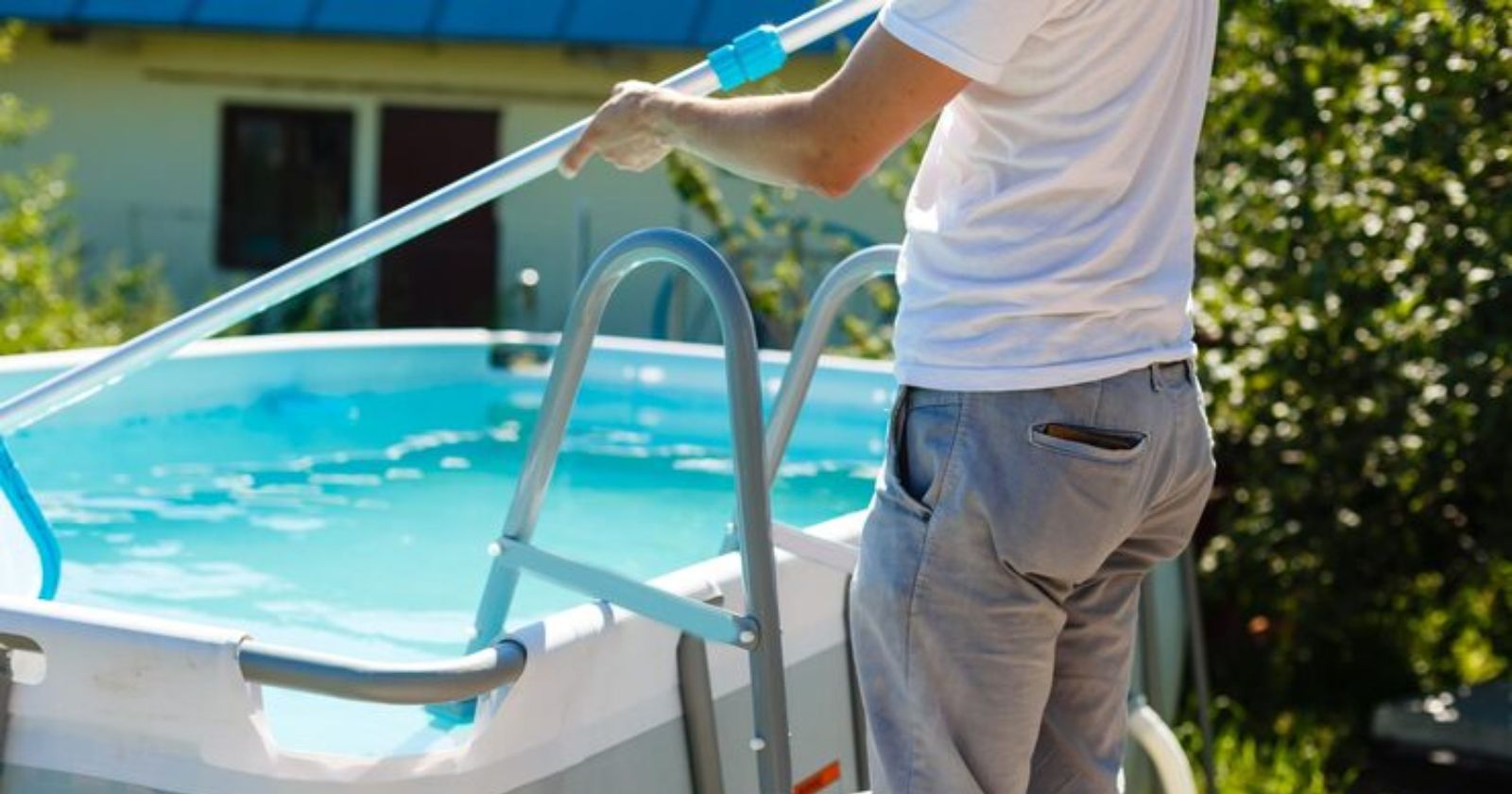
The first step in cleaning your pool is removing floating debris such as leaves, bugs, and grass clippings.
What You Need:
- Pool skimmer net
- Telescopic pole
Skimming the surface daily prevents debris from sinking and decomposing, which can affect water clarity and chemical balance. This simple habit goes a long way in maintaining clean water.
Step 2: Brush Pool Walls and Floor
Brushing removes dirt, algae spores, and buildup that skimming alone cannot handle.
Areas to Focus On:
- Pool walls
- Steps and ladders
- Corners and tile lines
Brushing at least once a week helps prevent algae from attaching to surfaces and keeps your pool looking fresh and inviting.
Step 3: Vacuum the Pool
Vacuuming removes debris that settles on the pool floor. This is a crucial step in achieving crystal-clear water.
There are three common types of pool vacuums:
- Manual pool vacuums
- Automatic suction cleaners
- Robotic pool cleaners
If you’re unsure about the process, this guide on How to Use a Pool Cleaner explains the steps clearly and helps you avoid common mistakes.
Step 4: Clean the Pool Filter
Your filter plays a major role in water clarity by trapping dirt and contaminants. Over time, filters become clogged and less effective.
Filter Cleaning Frequency:
- Cartridge filters: every 2–4 weeks
- Sand filters: backwash when pressure rises
- DE filters: backwash and recharge as needed
A clean filter ensures proper water circulation and supports a healthier swimming environment.
Step 5: Test and Balance Pool Water Chemistry
Balanced water chemistry is essential for safety and clarity. Test your pool water at least once a week using a test kit or digital tester.
Key Levels to Monitor:
- Chlorine or sanitizer
- pH
- Alkalinity
- Calcium hardness
Improper chemical balance can lead to cloudy water, skin irritation, or equipment damage. Many homeowners rely on swimming pool cleaning services to handle this step accurately and efficiently.
Step 6: Shock the Pool When Needed
Pool shocking involves adding a high dose of sanitizer to eliminate bacteria, algae, and organic contaminants.
You should shock your pool:
- After heavy pool usage
- Following storms or heavy rain
- When water becomes cloudy or smells strong
Shocking restores water clarity and boosts sanitation.
Step 7: Run the Pool Pump Daily
Proper circulation is key to maintaining clean water. Running your pool pump helps distribute chemicals evenly and allows the filter to remove contaminants.
Most pools should run the pump:
- 8–12 hours per day during peak season
- Less during cooler months
Good circulation supports consistent cleanliness and reduces algae growth.
How to Achieve the Cleanest Swimming Pool
If your goal is the Cleanest Swimming Pool, consistency is everything. Routine cleaning, balanced chemistry, and well-maintained equipment work together to keep water sparkling.
This detailed resource on maintaining the Cleanest Swimming Pool provides expert tips for achieving professional-level results at home.
DIY Cleaning vs. Professional Pool Services
While many pool owners handle basic maintenance themselves, professional services offer convenience and expertise—especially for busy homeowners.
Benefits of Professional Pool Cleaning:
- Accurate chemical balancing
- Thorough equipment inspections
- Time savings
- Prevention of costly repairs
If you’ve searched for swimming pools near me or pool companies near me, it’s often because you want reliable, hassle-free pool care.
When to Call Swimming Pool Cleaning Services
You should consider professional help if:
- Water remains cloudy despite cleaning
- Algae keeps returning
- Equipment isn’t functioning properly
- You lack time for regular maintenance
Trusted providers like WTRDR offer professional-grade solutions that ensure clean, safe water year-round.
Finding the Right Pool Company Near You
Choosing the right service provider matters. Look for companies that offer:
- Routine cleaning plans
- Equipment inspections
- Chemical testing and adjustments
- Transparent pricing
Reliable swimming pool companies near me help maintain your pool’s condition while giving you peace of mind.
Final Thoughts
Knowing how to clean a pool step by step empowers you to maintain crystal-clear water and enjoy a safe swimming experience. From skimming and brushing to vacuuming and chemical balancing, each step plays a vital role in pool health.
Whether you prefer DIY maintenance or professional swimming pool cleaning services, consistency and proper technique are the keys to success. With the right approach—and expert support when needed—you can enjoy a sparkling pool all season long.
If you’re searching for trusted pool companies near me, now is the perfect time to invest in professional care and keep your pool looking its absolute best.
Let Us Handle the
Hard Work – You Just Enjoy the Water!
Hard Work – You Just Enjoy the Water!
Other Articles You Might Like
The Complete Homeowner Guide to Above Ground Pool Maintenance
Owning an above-ground pool is a fantastic way to enjoy summer fun, relax with family, and increase your home’s recreational value. However,...CONTINUE READING
January 30, 2026
10 Long-Term Benefits of Salt Water Pool Installation for Modern Homes
Modern homeowners are increasingly choosing smarter, healthier, and low-maintenance upgrades—and installing a saltwater pool is among the most popular today. A saltwater...CONTINUE READING
January 30, 2026
Request A Free Estimate!
OR CALL 813-429-8737
Join our mailing list to receive tips