

A sparkling, clean pool isn’t just a backyard luxury—it’s a responsibility. Whether you’re a new pool owner or a seasoned pro, knowing how to maintain a pool is crucial for ensuring the water stays safe, clean, and inviting all season long.
Many homeowners wonder, “how much to maintain a pool?” or “how much does it cost to maintain a pool?” The answer largely depends on how consistent you are with upkeep. Proper maintenance can prevent costly repairs and extend the life of your pool equipment.
To help you get the most out of your pool, we’ve compiled 9 pro-level tips that will keep your water crystal clear. Plus, we’ll explore costs, common services, and expert insights into what to expect from pool maintenance services.
1. Skim and Scrub Regularly
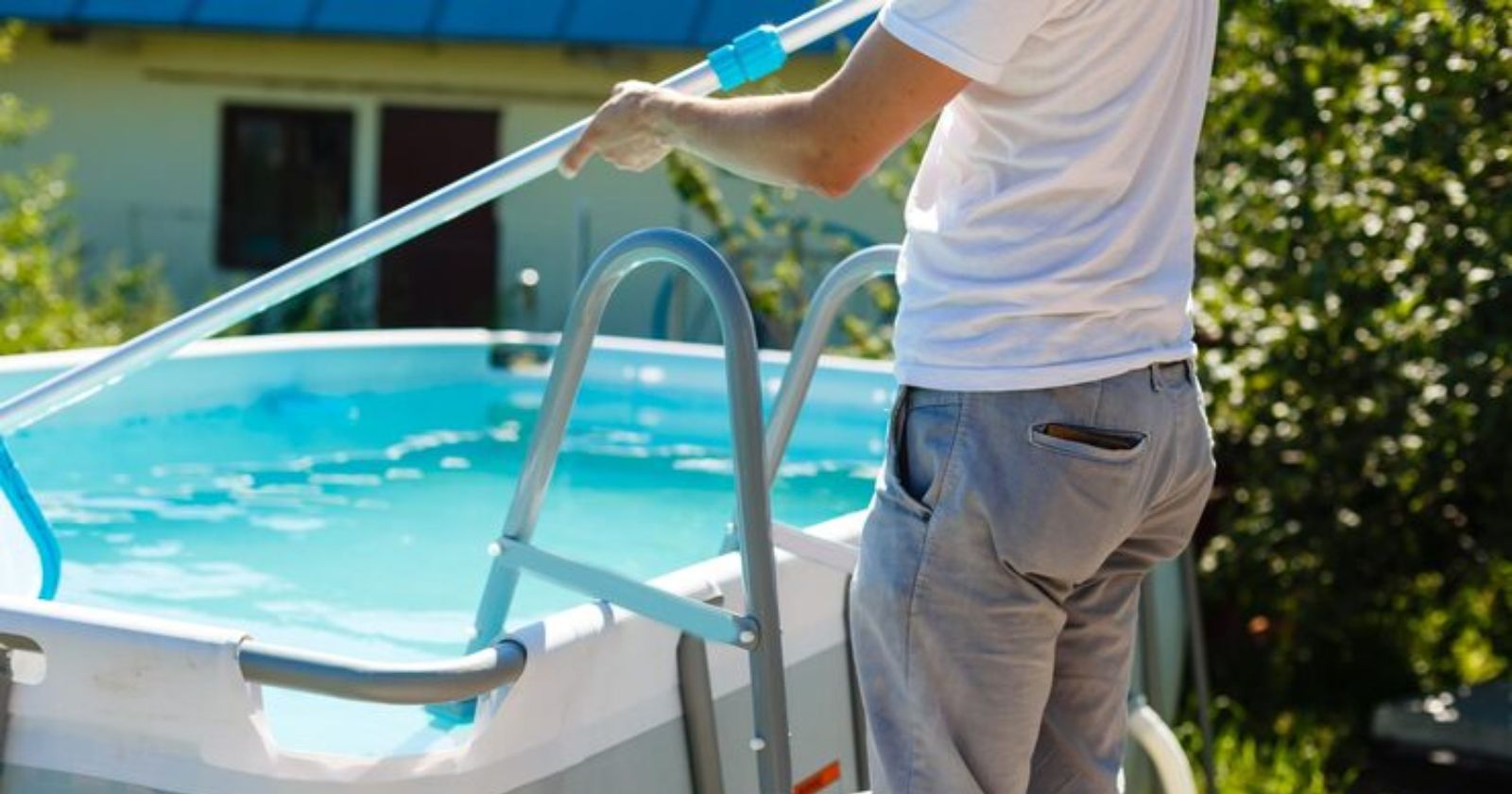
One of the simplest but most important tips in learning how to maintain a pool is keeping the surface clean. Skim leaves, insects, and debris daily using a net, especially during the fall or stormy seasons.
Don’t forget to scrub the sides of your pool weekly to prevent algae buildup. Use a brush appropriate for your pool’s material—nylon brushes for vinyl or fiberglass, and stainless steel brushes for concrete.
Pro Tip:
Check for any signs of algae growth around ladders and waterline tiles, where buildup tends to start.
2. Maintain Proper Chemical Levels
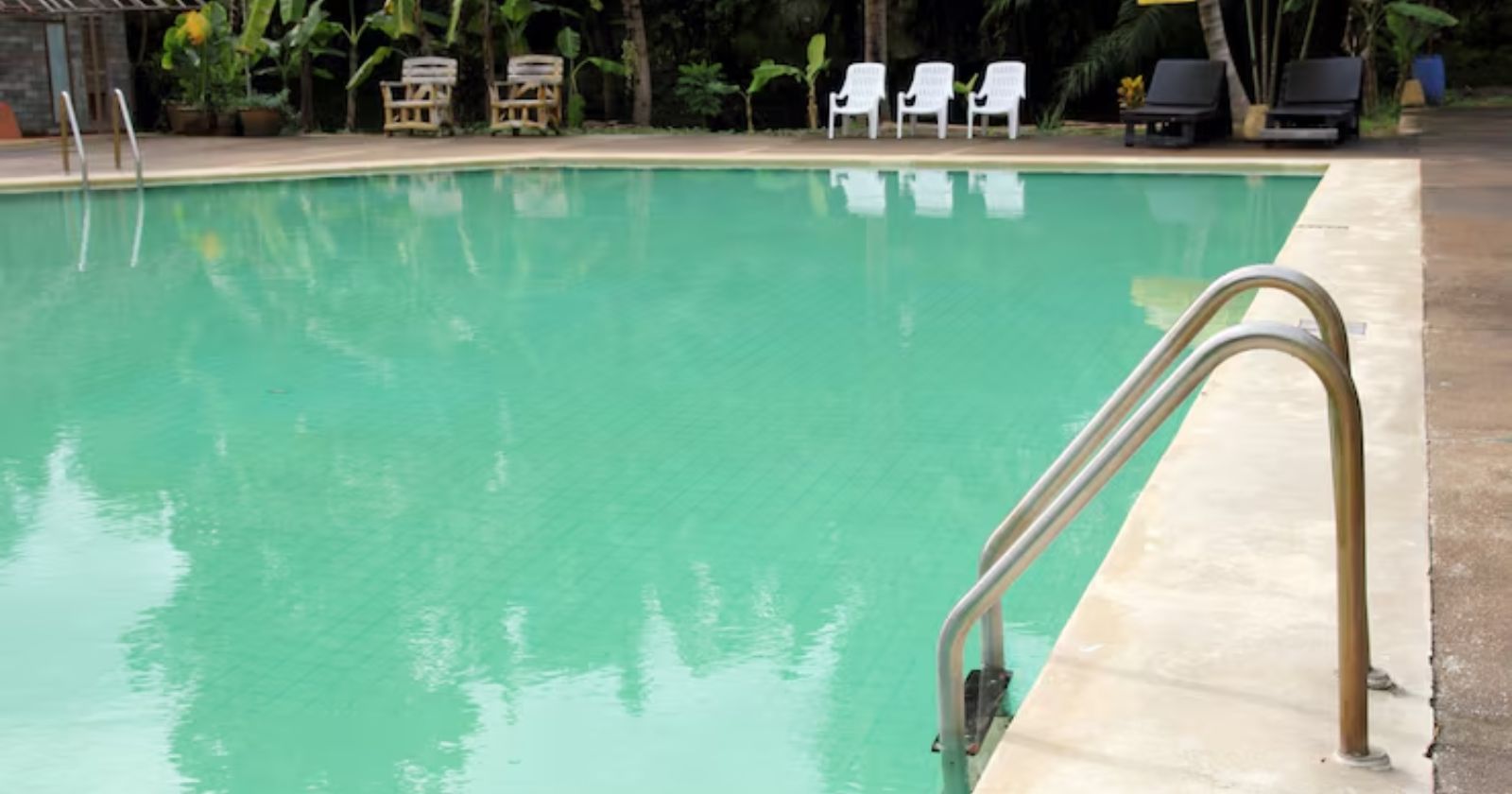
Balanced pool chemistry is key to keeping your water safe and clear. You should test your pool’s water at least 1–2 times per week. Ideal chemical levels include:
- pH level: 7.2–7.6
- Chlorine: 1.0–3.0 ppm
- Total Alkalinity: 80–120 ppm
- Calcium Hardness: 200–400 ppm
If these levels fluctuate, your water could become cloudy or unsafe to swim in.
How much does it cost to maintain a pool chemically?
Depending on pool size and climate, expect to spend $20–$50 per month on chemicals if maintaining the pool yourself.
3. Clean the Pool Filter
Your pool filter works hard to remove dirt, leaves, and debris. Whether you have a cartridge, sand, or DE filter, cleaning it is essential for water clarity.
- Cartridge Filters: Rinse every 2–6 weeks
- Sand Filters: Backwash every 1–2 weeks
- DE Filters: Backwash monthly and replace DE powder
A clogged filter puts strain on your equipment and reduces circulation, so make sure to stay on top of cleaning schedules.
4. Watch Your Water Level
Your pool’s water level will fluctuate due to evaporation, splash-out, and rain. Too much or too little water can impact circulation and affect your skimmer and pump function.
Keep the water level at the midpoint of your pool skimmer. Use a garden hose to refill, and a sump pump or submersible pump to drain excess water when needed.
5. Shock Your Pool Periodically
Even when chlorine levels seem balanced, bacteria and contaminants can still build up. That’s why pool pros recommend “shocking” your pool weekly, especially after heavy usage, rainstorms, or hot weather.
Pool shock is a high dose of chlorine that kills bacteria and restores water clarity. Always follow the manufacturer’s instructions and test your water after shocking.
6. Schedule Professional Pool Maintenance Services
While the homeowner can handle many maintenance tasks, hiring professionals ensures thorough inspections and precise chemical balancing. Expert technicians can also detect minor issues before they become costly repairs.
If you’re too busy or unsure about maintenance routines, consider trusted pool maintenance services that offer scheduled cleaning, inspections, and repairs.
These services typically cost $80–$150 per visit, depending on the pool size, frequency, and your location.
7. Maintain Your Pool Equipment
Pool equipment like filters, skimmers, and especially the pool pump motor are essential to keeping your water clean and circulating properly. If you notice your pump making strange noises, leaking, or struggling to keep water moving, it may be time to repair or replace it.
Proper upkeep can prevent breakdowns, but when necessary, opt for professional pool pump motor replacement to ensure long-term performance and energy efficiency.
8. Keep an Eye on Pool Circulation
Good water circulation is critical for dispersing chemicals evenly and preventing algae. Your pool pump should run for 8–12 hours daily during swim season.
Check that your return jets are angled to create circular movement and make sure your skimmer baskets are clean so they don’t restrict flow.
If you’re concerned about your energy bill, consider investing in a variable-speed pump that allows more efficient energy use.
9. Winterize Your Pool Properly (If Applicable)
If you live in a climate where freezing temperatures occur, winterizing your pool is essential. Failing to do so can lead to burst pipes and cracked equipment.
Steps include:
- Balancing your water chemistry
- Lowering the water level
- Blowing out and plugging plumbing lines
- Covering the pool securely
Even in Florida or warmer climates, reducing maintenance during off-season months can help prolong the life of your pool and equipment.
Final Thoughts
Learning how to maintain a pool isn’t difficult—it just requires consistency and a little know-how. By following these nine easy tips, you can keep your water clean, equipment running smoothly, and expenses under control.
From skimming daily to balancing chemicals and hiring expert pool maintenance services, every step you take ensures a safer and more enjoyable swimming experience.
Whether you’re a hands-on pool owner or prefer to leave it to the pros, knowing how much it costs to maintain a pool helps you plan ahead and protect your investment. And remember, when it’s time for essential repairs, expert help with pool pump motor replacement can save you from future headaches.
So, get ready to enjoy a crystal-clear pool—without the stress. Happy swimming!
Let Us Handle the
Hard Work – You Just Enjoy the Water!
Hard Work – You Just Enjoy the Water!
Other Articles You Might Like
The Complete Homeowner Guide to Above Ground Pool Maintenance
Owning an above-ground pool is a fantastic way to enjoy summer fun, relax with family, and increase your home’s recreational value. However,...CONTINUE READING
January 30, 2026
10 Long-Term Benefits of Salt Water Pool Installation for Modern Homes
Modern homeowners are increasingly choosing smarter, healthier, and low-maintenance upgrades—and installing a saltwater pool is among the most popular today. A saltwater...CONTINUE READING
January 30, 2026
Request A Free Estimate!
OR CALL 813-429-8737
Join our mailing list to receive tips