

Pool ownership is a luxury that entails accountability. A well-maintained pool offers relaxation, recreation, and value to your property, but neglect or improper care can lead to costly repairs, health risks, and even structural damage. Whether you’re new to pool ownership or a seasoned homeowner, understanding the maintenance of swimming pool systems is essential.
Unfortunately, many pool owners make common mistakes that compromise water quality, equipment lifespan, and safety. In this article, we’ll highlight those mistakes, explain how to maintain a pool correctly, and why hiring professional pool maintenance services can save you time and money.
Why Pool Maintenance Matters
Before diving into the mistakes, let’s look at why pool care is so important:
- Health & Safety – Poorly maintained pools harbor bacteria, algae, and other contaminants that pose health risks.
- Cost Savings – Preventative care is far cheaper than major repairs or replacements.
- Longevity of Equipment – Proper care extends the lifespan of pumps, filters, and heaters.
- Aesthetic Appeal – Clear, sparkling water enhances the look and feel of your backyard.
Following a proper How to Maintain a Pool guide ensures your pool remains safe and enjoyable year-round.
Common Mistakes in Swimming Pool Maintenance
1. Neglecting Regular Cleaning
Many homeowners underestimate how quickly dirt, debris, and leaves can accumulate in a pool. Skipping routine cleaning leads to clogged filters, cloudy water, and algae growth. Using the best pool cleaner or scheduling regular pool cleaning services helps keep your pool free of debris.
2. Ignoring Water Chemistry
Balancing chemicals is one of the most crucial aspects of swimming pool maintenance. When chlorine levels are too low, bacteria thrive. If pH levels are off, the water can irritate skin and eyes or damage pool surfaces. Testing your pool water at least twice a week helps maintain proper balance.
For an in-depth guide, check out this resource on Swimming Pool Maintenance.
3. Overusing Pool Chemicals
Conversely, using too many chemicals can be just as harmful as not using enough. Over-chlorination may cause strong odors, skin irritation, and equipment corrosion. Always follow manufacturer guidelines and use a test kit to measure chemical levels before adding more.
4. Forgetting to Clean the Filter
Your pool’s filter system acts as the “kidneys” of your pool, removing debris and contaminants. A dirty or clogged filter reduces efficiency and can damage your pump. Cleaning or replacing filters on schedule is vital for smooth operation.
5. Running the Pump Too Little (or Too Much)
A common mistake is running the pool pump for too few hours daily. Ideally, your pump should circulate the water for about 8–12 hours daily, depending on pool size and usage. Running it too little leads to stagnation and algae, while overuse increases energy bills unnecessarily.
6. Not Brushing Pool Walls and Tiles
Vacuuming and skimming are essential, but brushing pool walls, ladders, and tiles prevents algae buildup and staining. Ignoring this step can make your pool look dirty even if the water appears clear.
7. Neglecting Seasonal Maintenance
Some owners only maintain their pool during the summer and ignore it during the off-season. Even if you’re not swimming, your pool requires chemical balancing, water circulation, and occasional cleaning to prevent damage.
8. DIY Repairs Without Expertise
While some tasks can be handled on your own, attempting major repairs without professional experience can be costly and dangerous. Instead of risking further damage, it’s wise to contact experts offering pool maintenance service near me or other reliable pool maintenance services.
How to Maintain a Pool Correctly
Proper maintenance of swimming pool systems requires consistency and the right steps. Here’s a quick breakdown:
- Skim and Clean Daily – Remove leaves, insects, and debris with a skimmer net.
- Check and Balance Chemicals – Maintain correct chlorine, pH, alkalinity, and calcium hardness levels.
- Vacuum Weekly – Use manual or automatic vacuums to clean the pool floor.
- Brush Surfaces – Prevent buildup on walls, steps, and tiles.
- Monitor Water Level – Ensure the water level is halfway up the skimmer opening.
- Inspect Equipment – Regularly check for performance of pumps, heaters, and filters.
- Shock the Pool – Occasionally add extra chlorine to kill bacteria and algae.
If you’d like a complete breakdown, follow this expert guide on How to Maintain a Pool.
Pool Maintenance Near Me: Why Hire Professionals?
Searching for pool maintenance near me brings up a variety of professional services designed to make pool ownership stress-free. Here’s why hiring experts makes sense:
- Expertise – Professionals know exactly how to balance chemicals and handle equipment.
- Time-Saving – Save hours of labor every week by outsourcing care.
- Consistent Care – Routine visits keep your pool in top condition.
- Emergency Help – Professionals can quickly address leaks, broken pumps, or other urgent issues.
Pool Maintenance Services: What’s Included?
Professional pool maintenance services typically cover:
- Skimming, vacuuming, and brushing.
- Testing and balancing chemicals.
- Cleaning filters and inspecting pumps.
- Seasonal opening and closing services.
- Emergency repair and troubleshooting.
Hiring experts gives you peace of mind knowing your pool is always ready for use.
Choosing the Best Pool Cleaner
Investing in the best pool cleaner is essential if you prefer DIY maintenance. Options include:
- Manual Vacuums – Affordable but labor-intensive.
- Automatic Suction Cleaners – Easy to use, connect directly to your pool’s filtration system.
- Robotic Pool Cleaners – More expensive but highly efficient and require minimal effort.
Selecting the right cleaner depends on your budget, pool size, and personal preferences.
Pool Cleaning Services vs. DIY Maintenance
Many pool owners debate whether to hire pool cleaning services or handle everything themselves. The answer depends on your lifestyle:
- DIY Maintenance – Best for homeowners with time, knowledge, and interest in pool care.
- Professional Services – Ideal for busy families, those who travel often, or anyone who wants hassle-free pool ownership.
A combination of both works best for most people—routine self-care with occasional professional servicing.
Final Thoughts
The maintenance of swimming pool systems requires diligence, consistency, and knowledge. Avoiding common mistakes like neglecting water chemistry, skipping filter cleaning, or overusing chemicals can save you thousands in repairs.
Whether you choose to handle pool care using the best pool cleaner or rely on professional pool maintenance services, the key is consistency. Regular care ensures your pool remains safe, sparkling, and ready to enjoy.
For step-by-step guidance, explore How to Maintain a Pool and learn expert-approved methods for balanced water and long-lasting equipment. And if you want a deeper dive into routine care, don’t miss this detailed resource on Swimming Pool Maintenance.
With the right approach, you’ll avoid costly mistakes and keep your pool looking its best all year long.
Let Us Handle the
Hard Work – You Just Enjoy the Water!
Hard Work – You Just Enjoy the Water!
Other Articles You Might Like
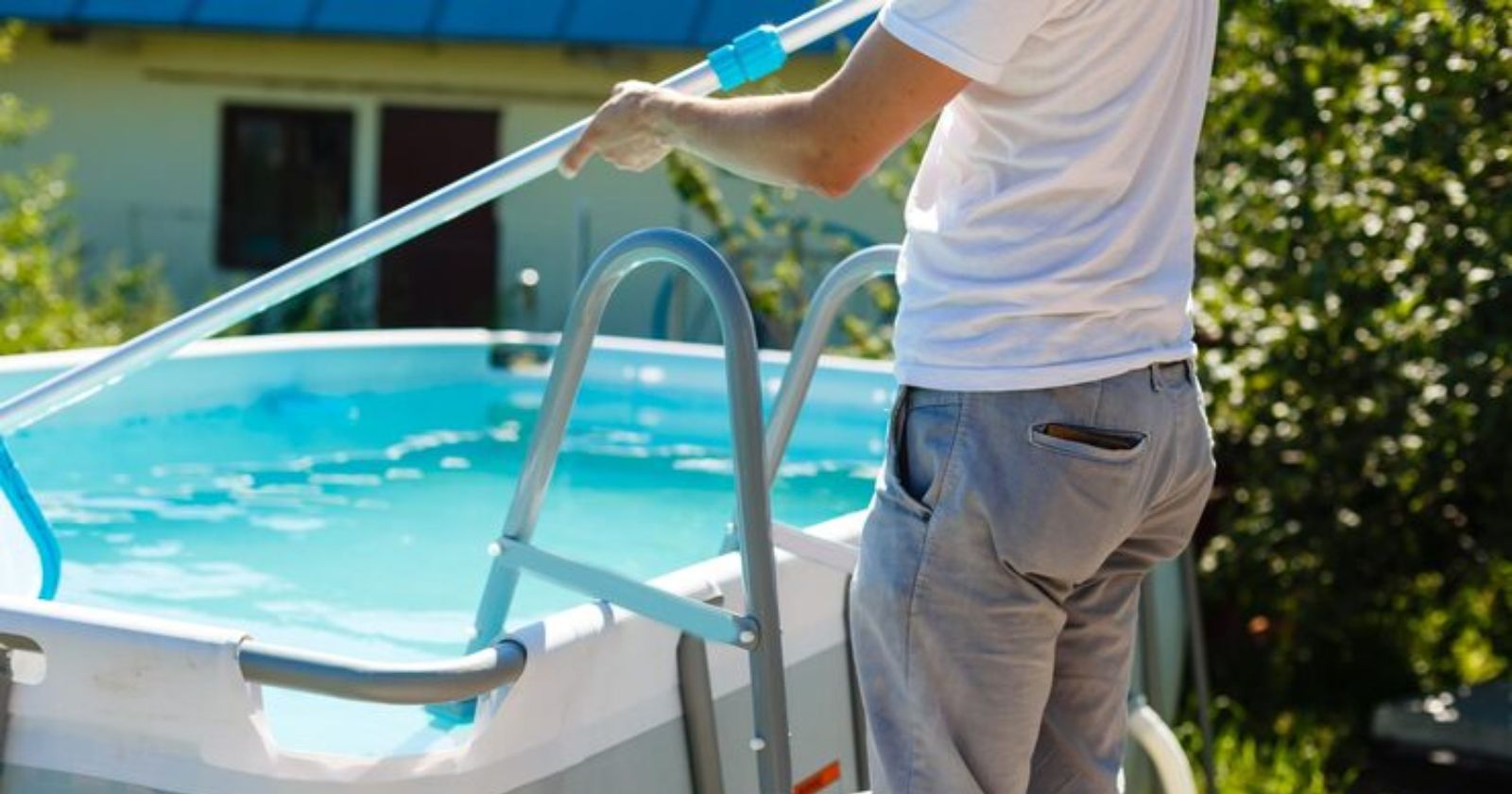
The Complete Homeowner Guide to Above Ground Pool Maintenance
Owning an above-ground pool is a fantastic way to enjoy summer fun, relax with family, and increase your home’s recreational value. However,...CONTINUE READING
January 30, 2026
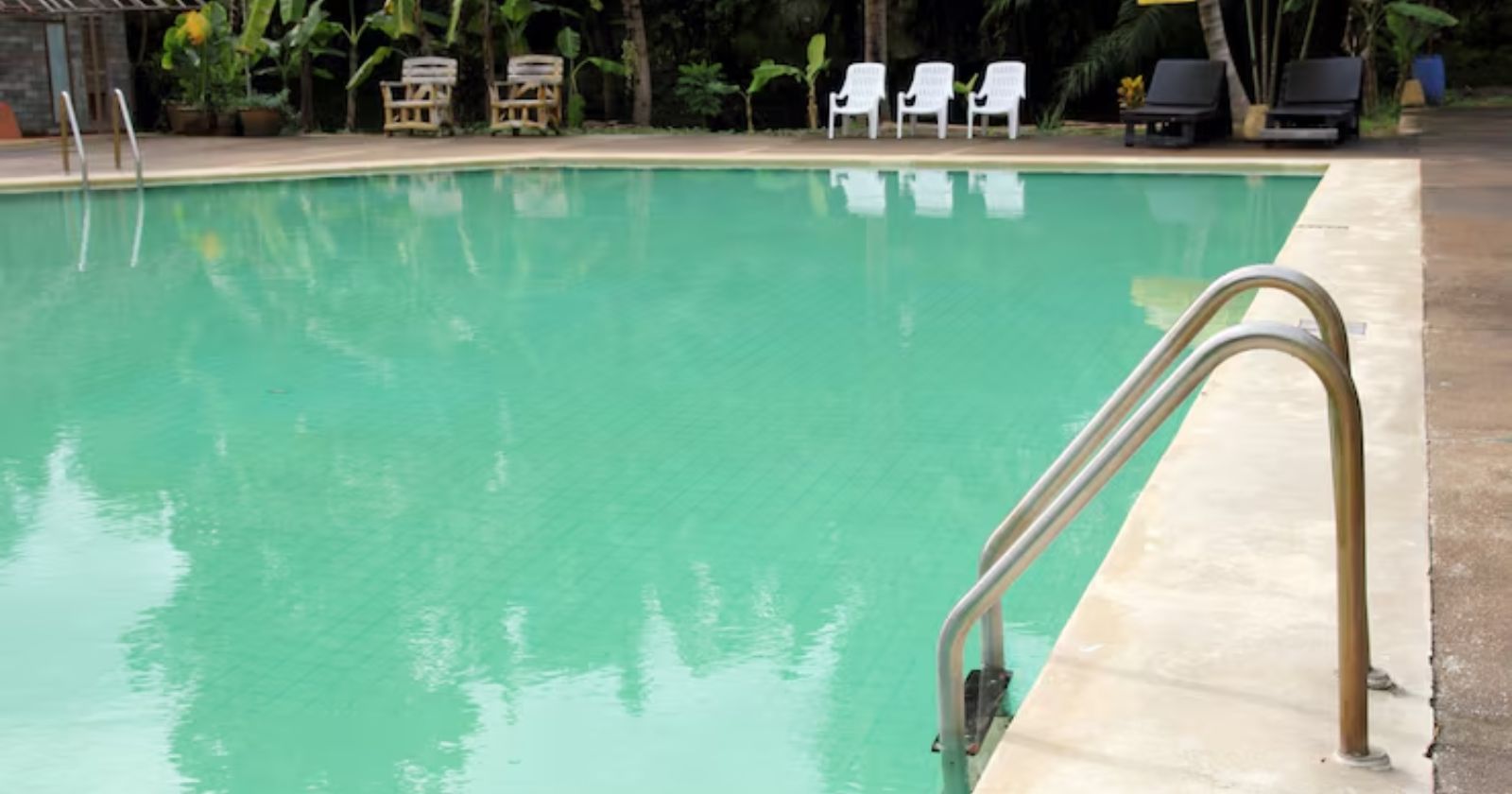
10 Long-Term Benefits of Salt Water Pool Installation for Modern Homes
Modern homeowners are increasingly choosing smarter, healthier, and low-maintenance upgrades—and installing a saltwater pool is among the most popular today. A saltwater...CONTINUE READING
January 30, 2026
Request A Free Estimate!
OR CALL 813-429-8737
Join our mailing list to receive tips